Last updated November 18, 2026



Free written scope consultation - allowances, timeline, and change-order rules on paper before a single trade is scheduled
Construction Emergency Preparedness Guide for Kendall Homes
Most hurricane advice tells you how to survive the storm inside your house. Very little of it tells you how to prepare the house itself. That’s the gap this guide fills. A home that’s been inspected, documented and hardened before a system enters the Gulf doesn’t just come through the wind and rain better. It moves to the front of the repair line afterward, because the owner already knows their roofer, already has the photos, and already has the paperwork an adjuster wants. In Kendall, where so many homes sit in the same wind zone and compete for the same licensed trades after an event, that preparation is the difference between a repair that starts in weeks and one that drags for months. We’ll walk through the checklist, the documentation file, the temporary repairs that protect a claim, the insurance credits worth claiming, and how to vet a post-storm contractor in ten minutes.
Quick Answer
Construction emergency preparedness in Kendall means treating your home as a system to harden before hurricane season: inspect and document the roof, openings, fence and driveway drainage; build a construction file with photos, permits and material specs; know which temporary repairs preserve an insurance claim and which can void one; claim the Miami-Dade wind mitigation credits your upgrades qualify for; and pre-select a licensed contractor so you’re not queuing behind every other homeowner after a storm. Preparation before the season is what protects both the structure and your ability to get it repaired fast.
Styles & brands we work with
- Kitchen remodeling
- Bathroom remodeling
- Home additions & ADU
- Roofing
- Windows & doors
- Driveway & pavers
- Fence
Table of Contents
- The pre-season structural checklist for a Kendall home
- Building your home construction documentation file
- Temporary repairs that protect a claim vs. those that can void one
- Insurance mitigation credits: generator, impact windows and roof straps
- How to vet a post-storm contractor in under 10 minutes
- Treating the whole envelope as one system
- What happens when you call: same-day repair and recovery
The pre-season structural checklist for a Kendall home
Wind doesn’t fail a house all at once. It finds the weakest connection and works it loose. That’s why a pre-season walk-through matters more than any single upgrade: you’re looking for the one fastener, anchor or seal that will give first. In Kendall’s climate, where the threat is wind-driven rain and sustained gusts rather than cold, the checklist looks like this.
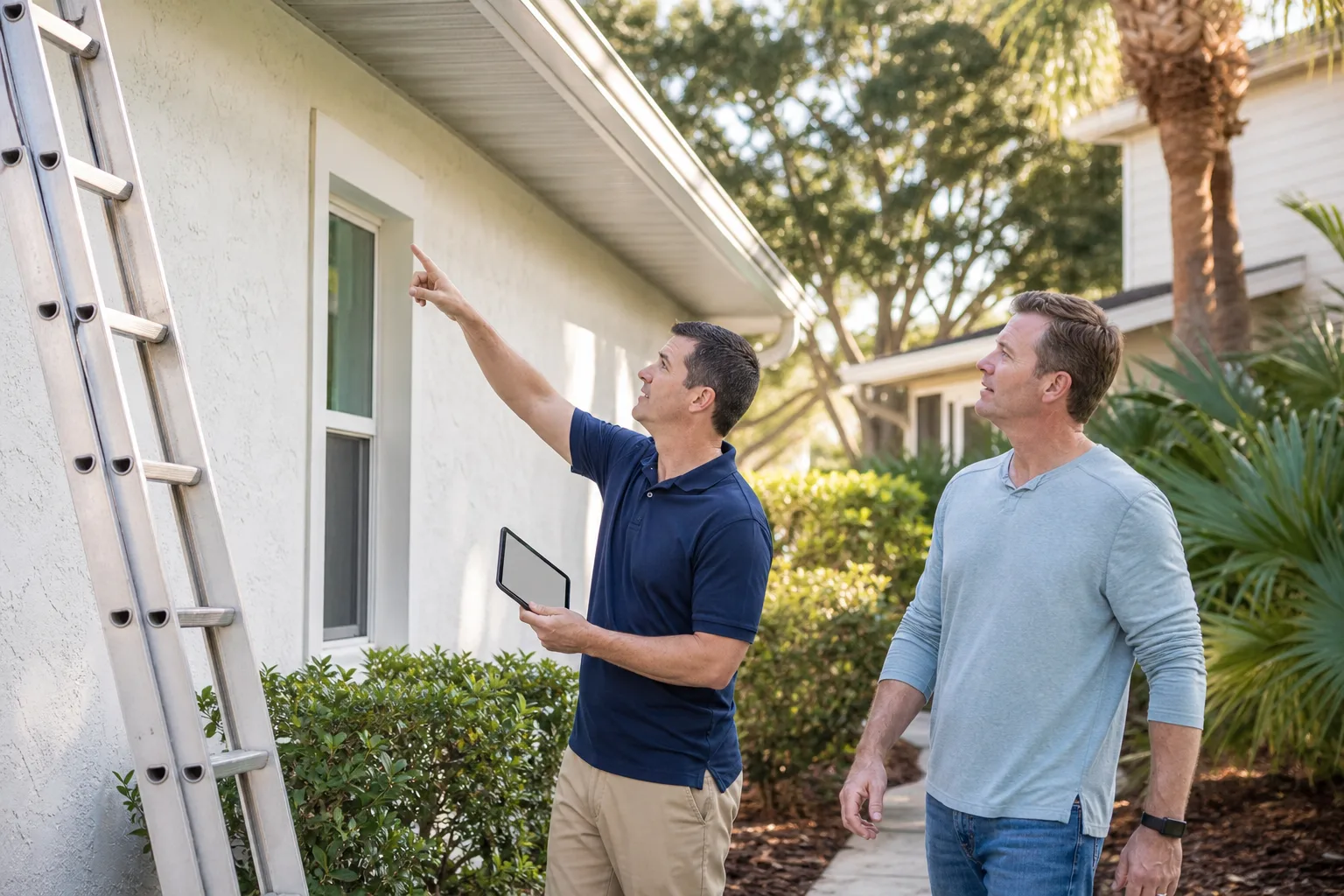
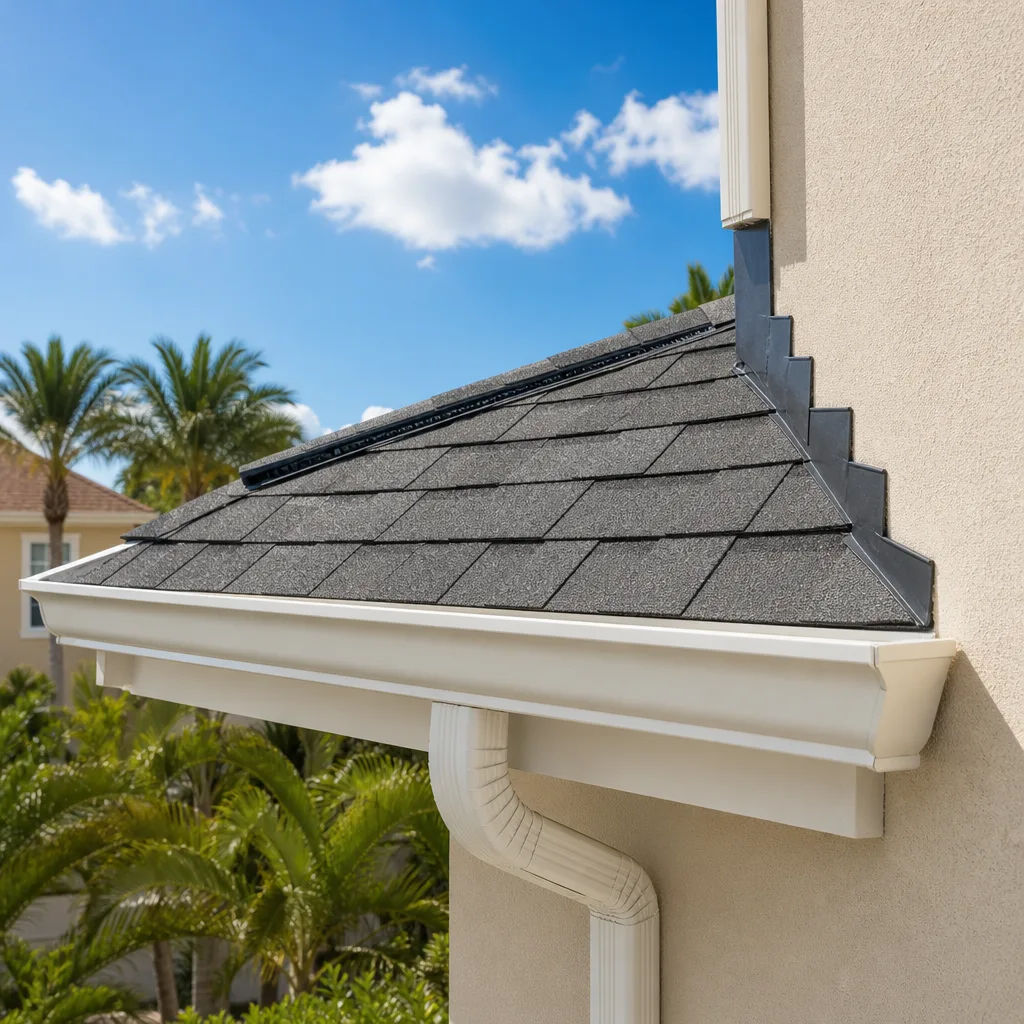
Roof fasteners and attachment. Check that the roof covering is fully attached and that no shingle tabs are lifting or sealing strips have failed. Look at the flashing around penetrations and the ridge. From the ground with binoculars, and from a safe interior vantage if you have one, note any loose or missing pieces. Don’t walk the roof yourself; a steep pitch is a fall risk and a trained inspector reads it better.
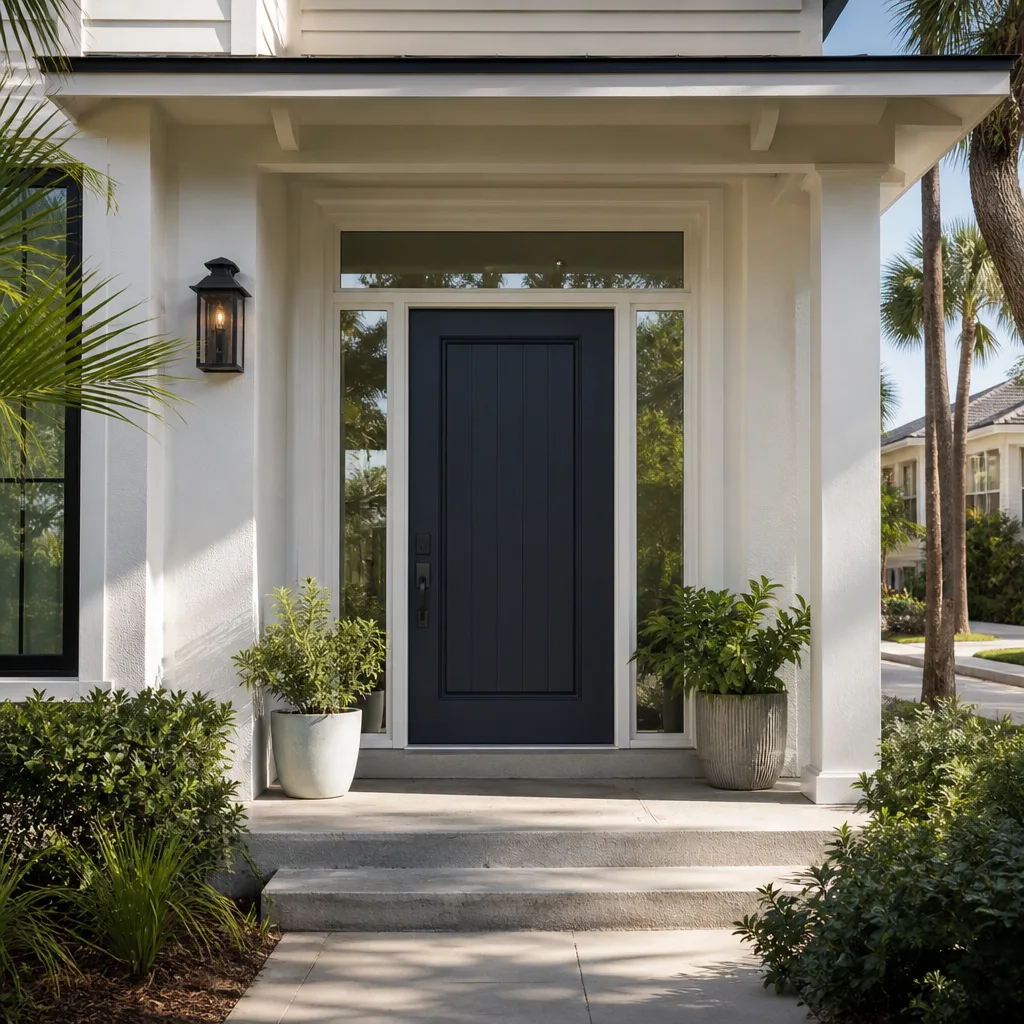
Impact opening protection. Every window and exterior door is a potential breach. If you have impact-rated glass from a maker like ES Windows, ECO Window Systems or Mr-Glass, confirm the labels and frames are intact. If you rely on shutters or panels, test-fit them now, label each panel to its opening, and store the fasteners with them. A panel that doesn’t fit in calm weather won’t fit in a hurry.
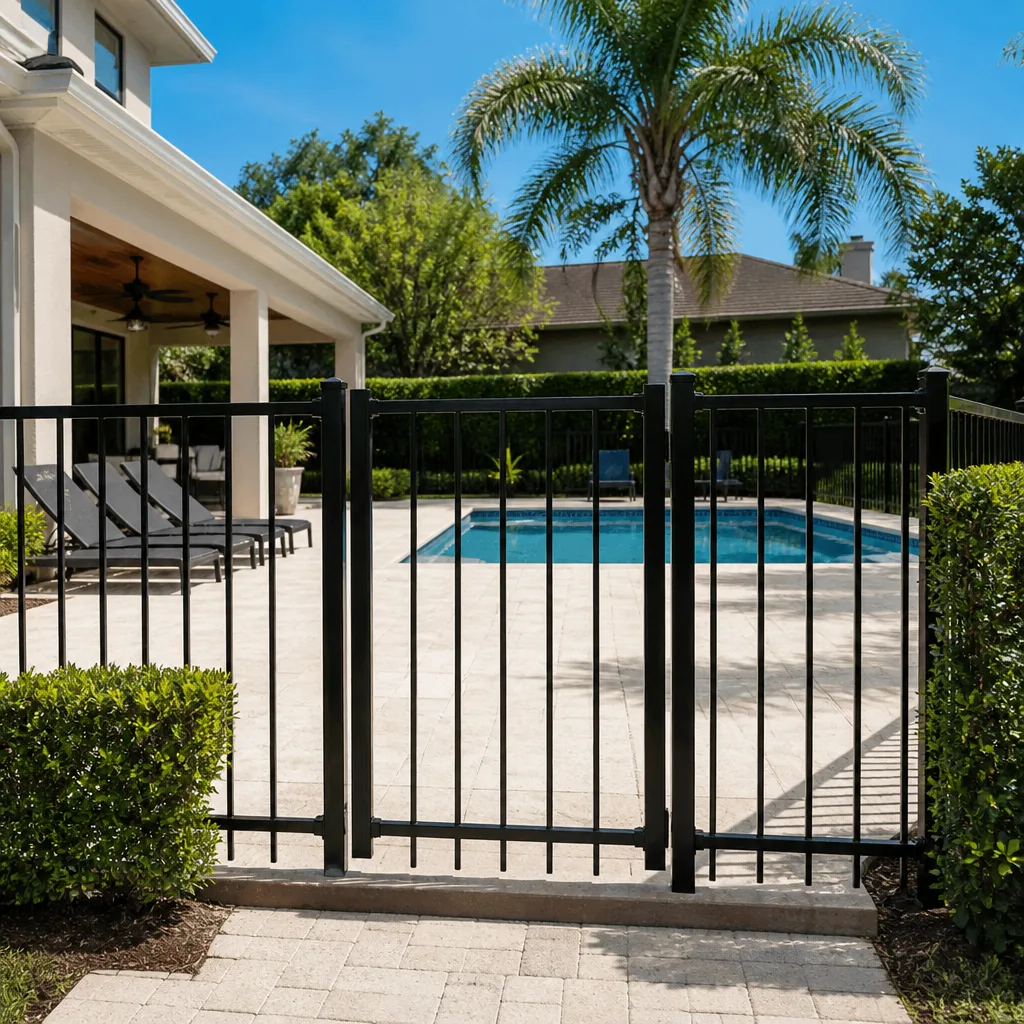
Fence anchoring and gate hardware. A fence is a sail. Check post footings for looseness, confirm the panels are fastened to the posts, and make sure gates latch securely. Loose sections become projectiles.
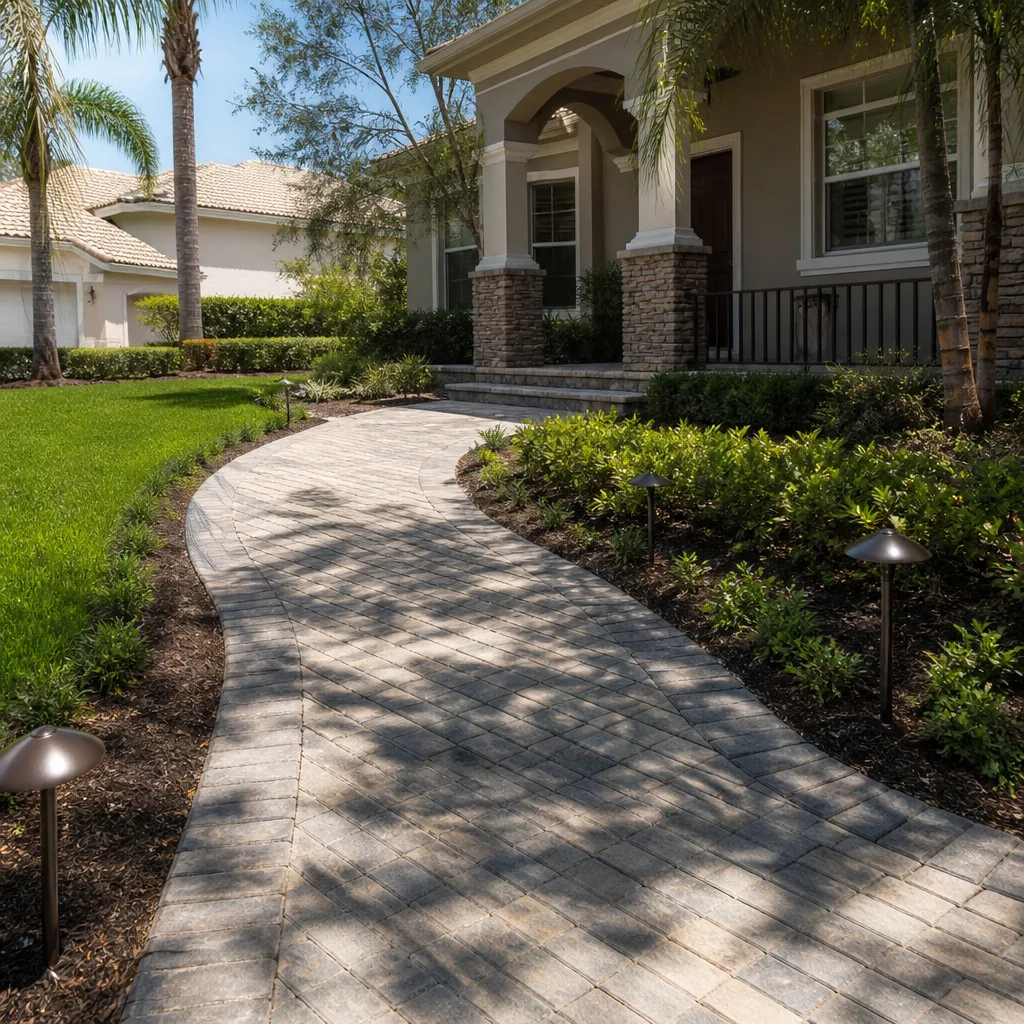
Driveway and yard drainage. Confirm that water sheds away from the house and that no paver joints or drainage channels are clogged. Standing water against the slab or a foundation wall is a slow problem that becomes a fast one in a downpour.
Set a recurring date each spring to walk this list. The point isn’t perfection; it’s catching the weak link before the season tests it.
Building your home construction documentation file
After an event, the homeowner who gets paid and repaired fastest is almost never the one who argues hardest. It’s the one who can prove what was there before the damage. A construction documentation file is the single highest-return hour you’ll spend on preparedness, and it takes a weekend to build. Here’s how to assemble one.
- Photograph every elevation and every room. Exterior from all four sides, roofline included. Interior ceilings and walls in each room. Date-stamp everything.
- Photograph the details, not just the wide shots. Close-ups of window and door labels, roof material, fence posts, driveway edges. Brand names and model numbers on products like impact glazing or Therma-Tru doors are exactly what an adjuster needs to price a like-for-like replacement.
- Collect your permits and inspections. Pull copies of any permit history for past work and keep them in the file. Documented, inspected work is far easier to substantiate than an unpermitted addition.
- Log your material specifications. Roofing system, window ratings, cabinetry, countertops, fixtures. If you don’t have the spec sheets, note the brand and approximate age.
- Store it three ways. A physical folder, a cloud backup, and a copy with a trusted contact off-site. A file that lives only in the house doesn’t survive the house.
This file does double duty. It speeds an insurance claim because the adjuster isn’t reconstructing your home from memory, and it speeds contractor scoping because a tradesperson can quote from accurate photos and specs instead of a site visit that may be weeks out. If you’ve worked with a contractor on past upgrades, keep their contact and scope notes in the same folder.
Temporary repairs that protect a claim vs. those that can void one
This is where well-meaning homeowners get into trouble. Some temporary repairs clearly protect a home and a claim. Others, done before an adjuster has documented the damage, can be read as tampering and put your payout at risk. The rule of thumb: stop further damage, don’t erase evidence.
What generally protects your claim:
- Tarping a damaged roof section to prevent water intrusion, keeping receipts for materials.
- Boarding or securing a broken window to keep the envelope closed.
- Removing standing water and drying wet areas to prevent mold.
- Photographing everything before and after any protective step.
What can get you into trouble:
- Discarding damaged materials before they’ve been documented, which removes the evidence an adjuster prices against.
- Making permanent structural changes or completing the full repair before the claim is assessed.
- Failing to record what you did, when, and why, which invites a dispute about cause.
The safe pattern is damage-control only: close the envelope, stop water, dry it out, photograph it, keep every receipt. Then let the documented claim and the licensed repair follow. For anything structural, electrical or on the roof itself, call a trained professional rather than attempting it yourself. The risk to a person on a wet roof or near exposed wiring is real, and it’s not worth the savings.
Insurance mitigation credits: generator, impact windows and roof straps
Hardening a home does more than reduce damage; in Miami-Dade it can reduce your premium. Insurers offer wind mitigation credits for construction features that make a home more resistant, and three upgrades commonly qualify: a permanent standby generator, impact-rated window and door systems, and roof-to-wall strap retrofits. The credits aren’t automatic. You have to claim them.
Impact windows and doors. Impact-rated products from makers like ES Windows or ECO Window Systems, correctly installed and labeled, protect openings against wind-borne debris and reduce the chance of a breach that pressurizes a house from inside. The installation documentation matters as much as the product; keep the labels and the permit.
Roof straps and attachment. A roof that’s strapped to the walls resists uplift far better than one that isn’t. A retrofit can bring an older roof assembly up to a stronger connection standard. This is structural work and belongs with a licensed roofer, not a weekend project.
Standby generator. A permanently installed generator keeps essential systems running when the grid is down. It’s an electrical installation and must be permitted and inspected; never wire one informally.
To claim the credits, request a wind mitigation inspection from a qualified inspector, submit the completed form to your insurer, and keep a copy in your documentation file. Ask your insurer which specific features their credits recognize, since the details vary by carrier. Upgrading through a single accountable contractor, with permits pulled and inspections passed, keeps the paper trail clean for the claim.
How to vet a post-storm contractor in under 10 minutes
After a storm, out-of-area operators arrive fast and knock on doors. Some are legitimate. Many aren’t, and they leave before the work is done. You can filter most of them out with three checks that take less than ten minutes and cost nothing.
- Check the state license. Ask for the license number and verify it against the state’s contractor licensing database. A legitimate contractor gives it without hesitation; a storm-chaser deflects or produces a number that doesn’t match the company name.
- Confirm permits will be pulled. Legitimate structural and roofing work requires permits and inspections in most jurisdictions. Ask directly whether they’ll pull the permit in their own name. A contractor who says a permit isn’t needed for a full roof replacement is telling you who they are.
- Verify the company’s local presence and references. Ask for the physical business address and a couple of recent local references you can call. Be wary of a large deposit demanded up front in cash and a contract with no line-item scope.
Add a fourth habit that isn’t a database check: read the contract for a written, itemized scope and a clear price. The written estimate should set the final price, and any honest contractor will put it in writing. This is exactly why pre-selecting a licensed contractor before the season matters. When you already have a relationship with a roofer, an electrician and a general contractor, you skip the door-knockers entirely.
Treating the whole envelope as one system
Preparedness fails when a home is treated as a list of unrelated parts. A roof that’s been hardened means little if a window blows out and pressurizes the interior. A fence that’s anchored means little if the driveway drains water against the slab. Wind and rain don’t respect the lines between trades, so the smart approach is to think in one envelope: from the street to the ridge, the parts protect each other.
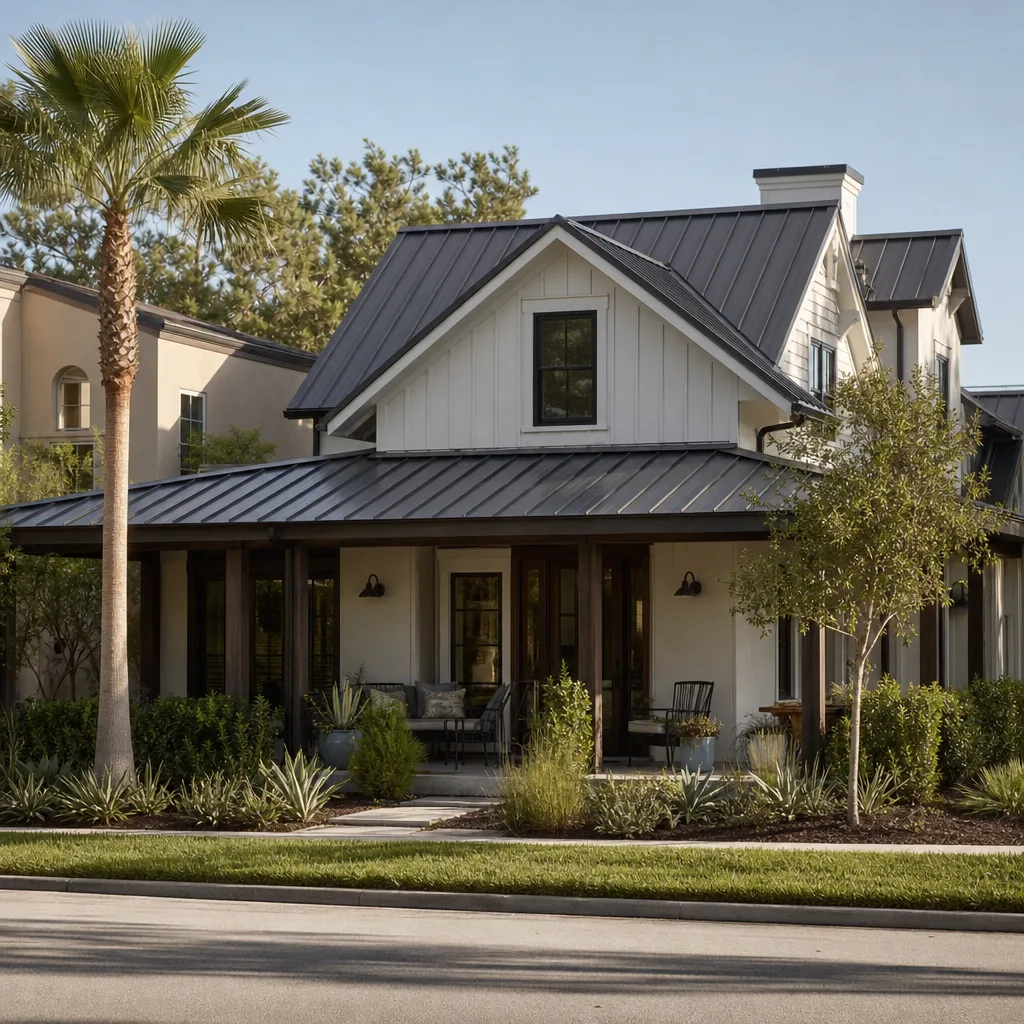
In our experience, the homes that fare best are the ones where a single relationship coordinates the whole exterior. Roofing systems like GAF or CertainTeed set the top of the envelope. Impact openings seal it. Siding closes the walls. A properly anchored fence and a drained, well-built driveway handle the ground level. When one contractor owns the whole scope, there are no gaps between trades where a leak or a loose anchor slips through.
That whole-envelope view is where a company like Kendall Construction Co fits. With access to 50-plus established product brands and seven trade categories handled under one name, from driveway & pavers to fence installation, a homeowner can harden the entire exterior in one project relationship rather than patching together separate bids. The value isn’t just convenience. It’s accountability: one point of responsibility for a roof, openings, ground and boundaries that all have to work together to keep wind and water out.
What happens when you call: same-day repair and recovery
When a system has already passed, the priority shifts from prevention to recovery, and speed matters. The homes that recover fastest are the ones whose owners know who to call before they need to. Here’s what to have ready and what to expect.
- The documentation file. Photos, permits, material specs and any prior inspection reports, ready to share so scoping can start immediately.
- A clear description of the damage. What’s breached, what’s leaking, what’s structurally compromised. A photo beats a verbal description.
- The number of a licensed contractor you trust. Not a stranger from a flyer. Someone whose license and work you’ve already verified.
The first visit should be about scoping and damage-control, not a handshake and a deposit. A licensed professional closes the envelope, documents the damage for your claim, and gives you a written scope. If the work needs permits, they’re pulled in the contractor’s name and inspections follow. That’s the pattern that protects your home and your claim at the same time.
Weather events don’t keep business hours, so our phones are answered around the clock. We answer 24/7. Fast dispatch from 7am to 7pm, Sunday through Friday. A call outside dispatch hours is booked into the next opening. Our technicians have up to 14 years of experience, and the estimate is free.
Common Mistakes to Avoid
- Skipping the pre-season inspection because the roof “looks fine.” Loose tabs, failed flashing and a lifted ridge don’t always show from the ground. A professional look catches the weak connection before the season does.
- Never photographing the home before damage. Without “before” photos, an adjuster has to reconstruct what was there, and that slows or shrinks a claim. Build the file while everything is intact.
- Making permanent repairs before an adjuster sees the damage. Completing the full fix before it’s documented can be read as tampering. Stop the damage, photograph it, then repair.
- Forgetting to claim wind mitigation credits. Impact windows, roof straps and a standby generator can reduce premiums, but only if you request the inspection and submit the form.
- Handing a deposit to a door-knocker. In the rush after a storm, unlicensed operators appear. Check the license, confirm permits, and read the contract before any money changes hands.
- Treating the envelope as separate jobs. Hardening the roof but not the openings, or anchoring the fence but ignoring driveway drainage, leaves the weak link exposed.
- Assuming a permit isn’t needed. Full roof replacement and structural work generally require permits and inspections. A contractor who waives that off is a red flag.
See the difference
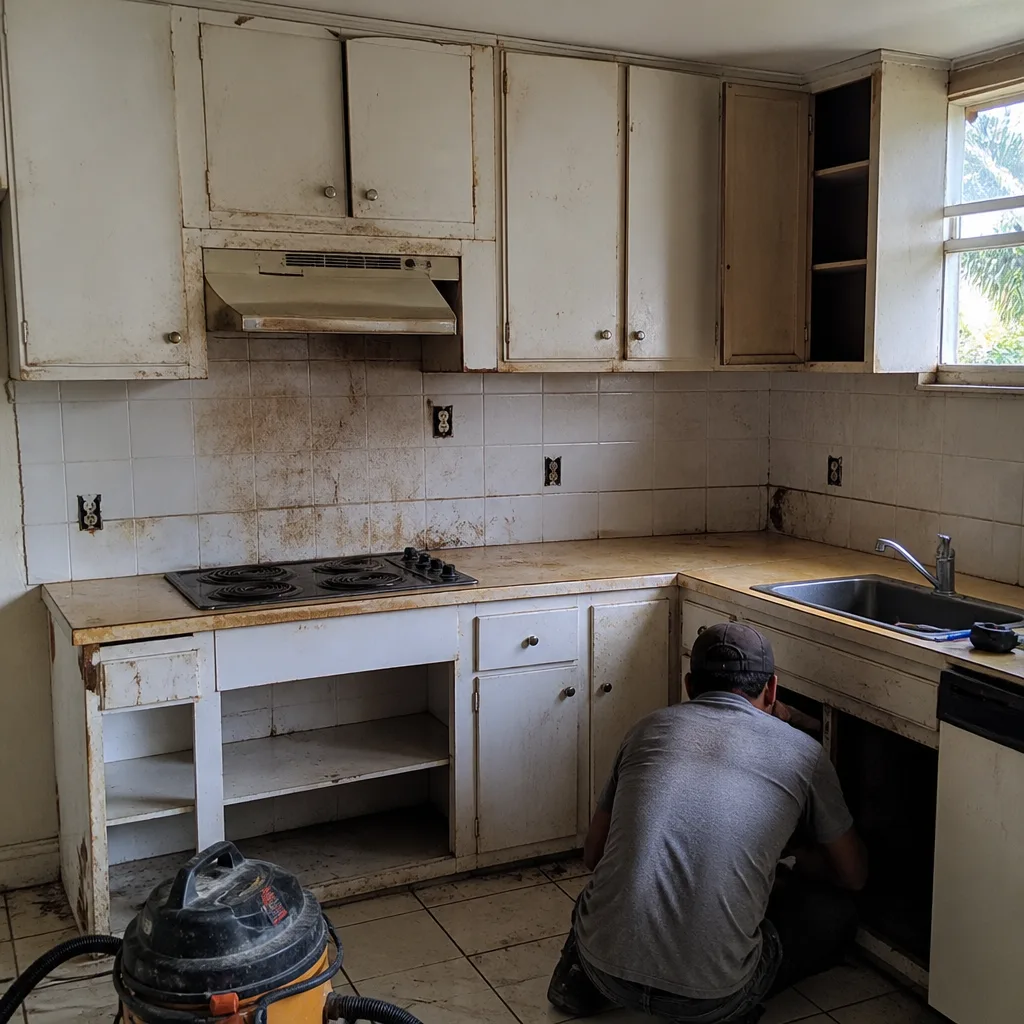 Before
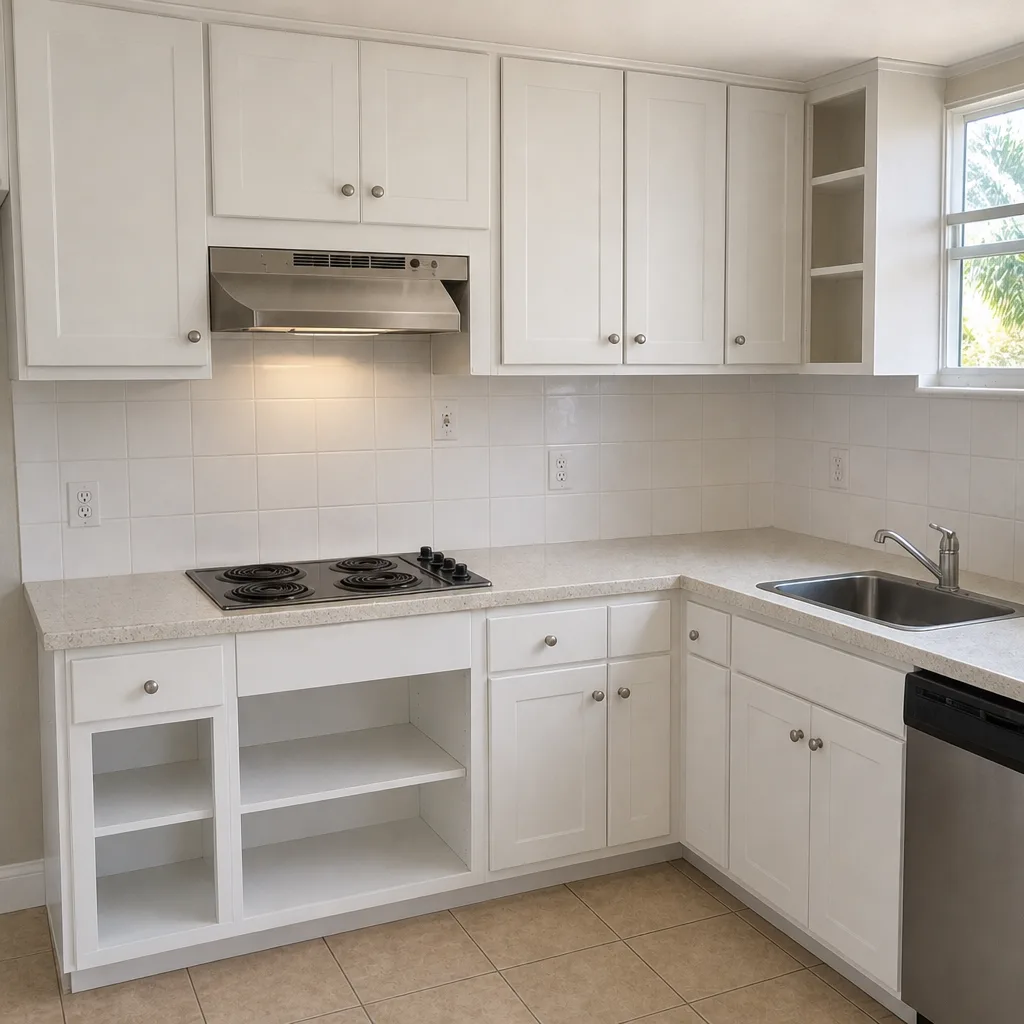 After
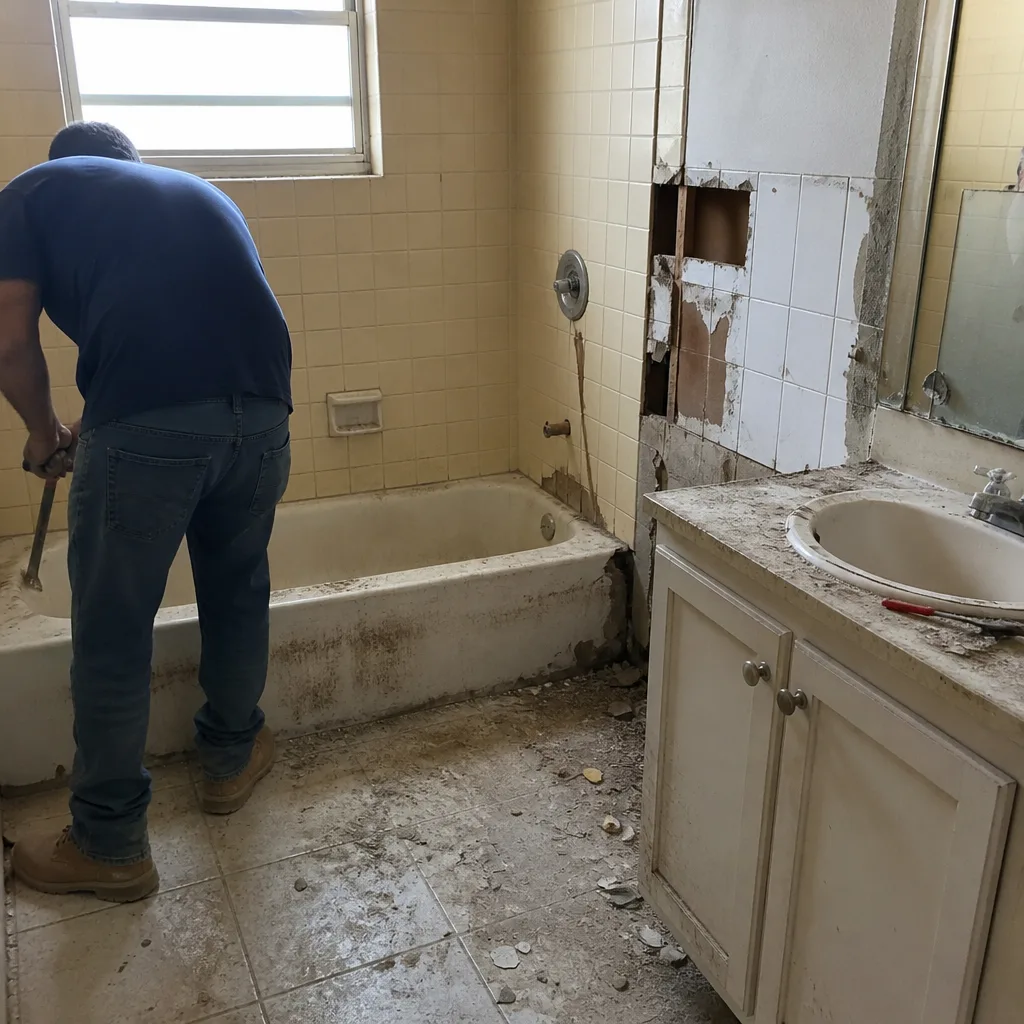 Before
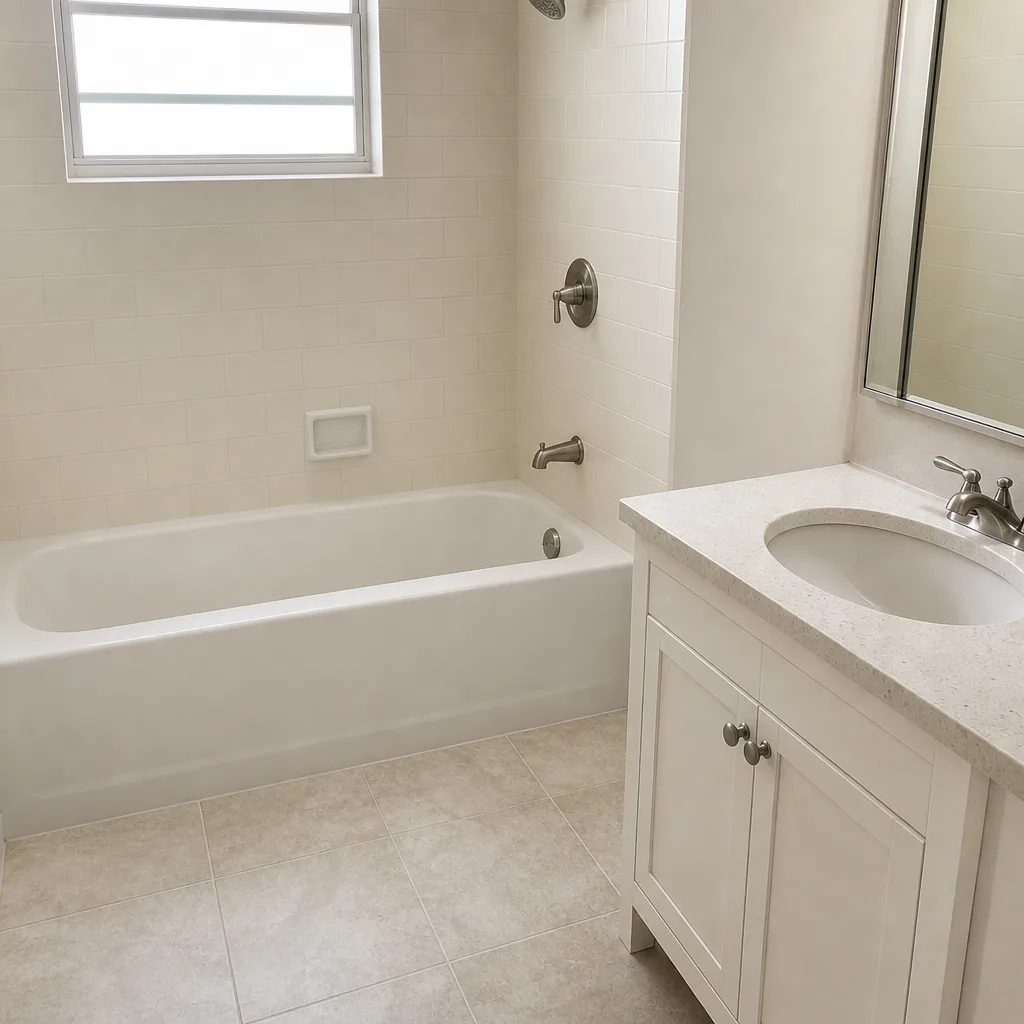 After
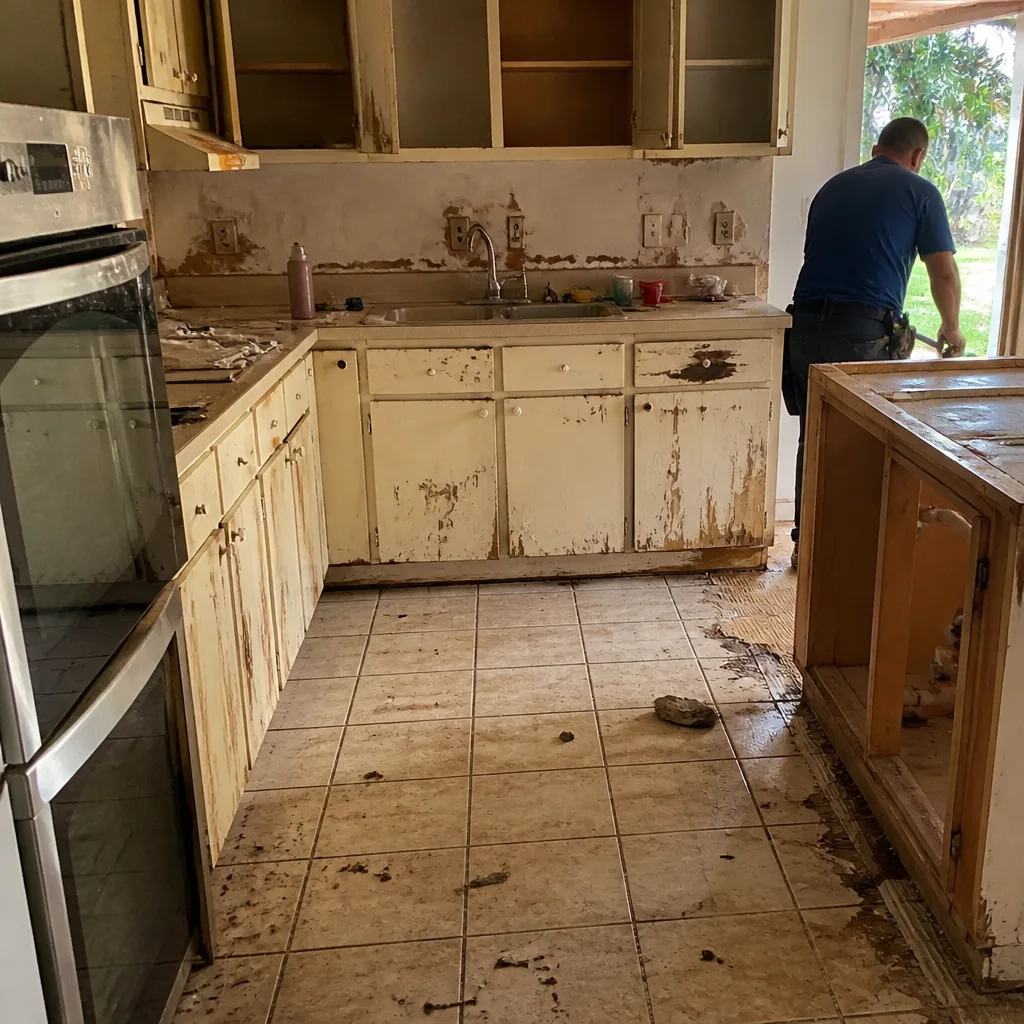 Before
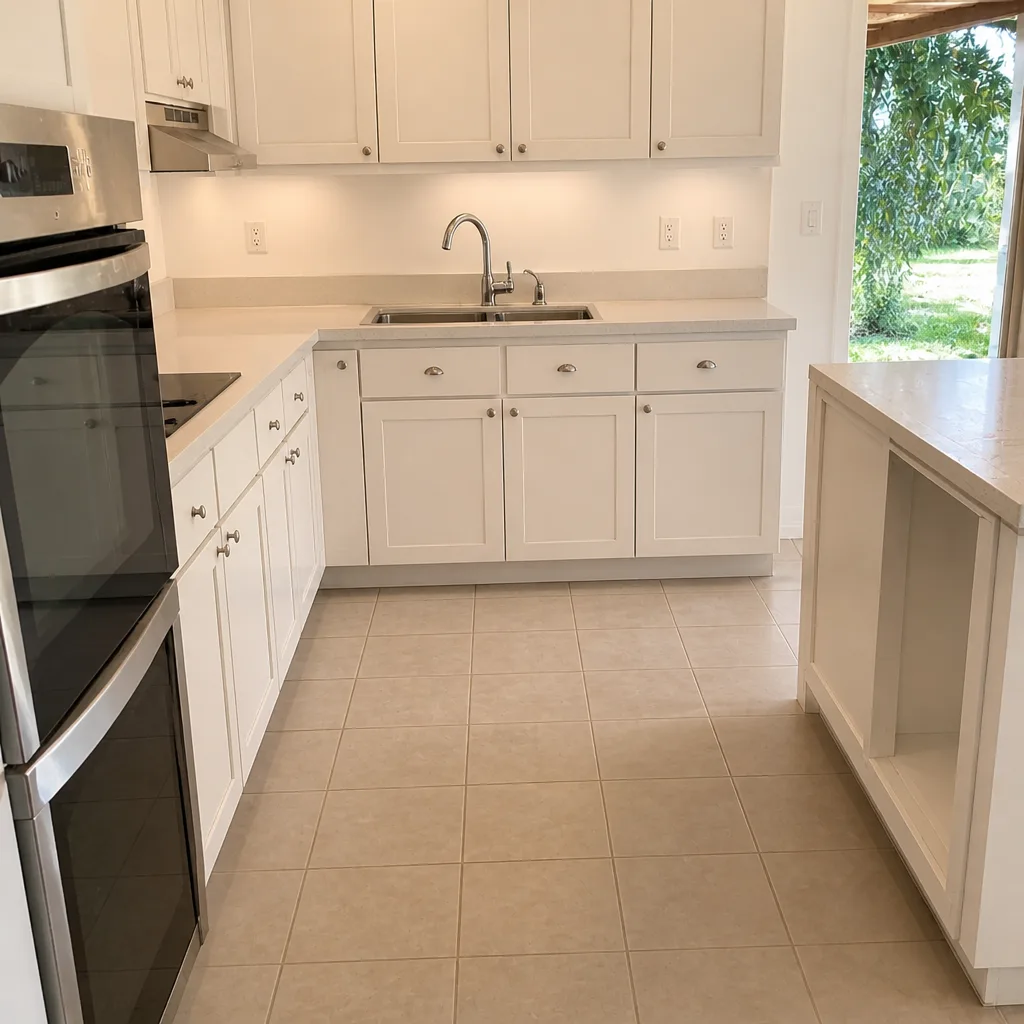 After
When to Call a Professional
Some preparedness work is a homeowner’s job: build the file, test-fit the shutters, clear the drainage. The structural work is not. Call a licensed professional when the item involves the roof attachment, the window and door systems, electrical work such as a generator hookup, anchor retrofits, or any doubt about whether a prior modification was permitted and inspected. These are the areas where an error doesn’t just cost money; it puts a person at risk of a fall, a shock or a structural failure. And in the hours after an event, call once you see a breach, a leak that won’t stop, or a section of roof or envelope that’s compromised, so the damage can be documented and closed before it spreads. Kendall Construction Co offers free estimates in Kendall: call (888) 300-8968. The written estimate sets the price, permits are pulled and inspections passed, and the work is backed by a workmanship warranty.
Frequently Asked Questions

Inspect and document the roof, openings, fence and driveway drainage; build a construction documentation file with photos, permits and material specs; know which temporary repairs protect a claim; and pre-select a licensed contractor. Preparation before the season protects both the structure and your ability to get it repaired quickly. Call (888) 300-8968 to schedule a free pre-season walk-through and estimate.
They often qualify for wind mitigation credits, which can lower your premium, but the credits aren’t automatic. You request a wind mitigation inspection from a qualified inspector and submit the completed form to your insurer. Ask your insurer which specific features their credits recognize. Call (888) 300-8968 for a free estimate on impact openings or a roof strap retrofit.
You can and should stop further damage: tarp the roof, board a broken window, remove standing water, and photograph everything before and after. What hurts a claim is discarding damaged materials or finishing the full repair before an adjuster documents it. Keep it to damage-control and keep receipts. For anything structural or electrical, call a professional.
Verify the state license number in the state database, confirm the contractor will pull the permit in their own name, and ask for a business address and recent local references. Read the contract for a written, itemized scope and a clear price. These three checks take under ten minutes and filter out most storm-chasing operators. Call (888) 300-8968 for a free estimate from a licensed contractor.
It shouldn’t. A written, itemized estimate should set the final price, with no change orders for the agreed scope. Ask for the scope and price in writing before approving anything. Call (888) 300-8968 for a free written estimate.
Yes. Structural and roofing work generally requires permits and inspections, and we pull them in the contractor’s name and see the inspections through. A contractor who says a full roof replacement doesn’t need a permit is a red flag. Call (888) 300-8968 for a free estimate with the permit process explained up front.
The Bottom Line
Preparing a Kendall home for a construction emergency isn’t about storm-proofing the interior. It’s about hardening the structure and documenting it before the season, so damage is minimized, claims are substantiated, and repairs start without waiting behind everyone else. Inspect the envelope, build the file, know the temporary repairs that protect a claim, claim the mitigation credits you’ve earned, and pre-select a licensed contractor whose license and work you’ve verified. That preparation is the difference between patching a leak in a scramble and recovering a home with a clear plan. One contractor, every trade, from curb to ridge, keeps the whole envelope working together.
Kendall Construction Co offers free estimates in Kendall. Call (888) 300-8968. We answer 24/7. Fast dispatch from 7am to 7pm, Sunday through Friday. Written line-item quotes, permits pulled and inspections passed, fixed pricing with no change orders, and a workmanship warranty. Whether you’re planning a pre-season hardening project, an impact window upgrade, or a home additions & ADU that meets current wind standards, start with a free estimate and a written scope you can hold in your hand before the season arrives.
Written by the team at Kendall Construction Co.