Last updated November 18, 2026

Free written scope consultation - allowances, timeline, and change-order rules on paper before a single trade is scheduled
Construction Cost Breakdown: The Kendall Homeowner’s Reference for 2026
Most construction cost guides fail Kendall homeowners before the first bid comes in. National averages get quoted as gospel, yet a roof that runs about $9,000 on a national average can land at $18,000 to $28,000 on a typical Kendall home once High-Velocity Hurricane Zone (HVHZ) materials and required strapping enter the picture. The gap isn’t inflation, and it isn’t a contractor padding a bid. It’s code, labor, and how materials actually get here. This reference walks through project-by-project ranges built for the Kendall market in 2026, explains why permit and impact fees vanish from cheap quotes and reappear as change orders, and shows how material choices inside a single category shift installed cost far more than the sticker price suggests.
Quick Answer
Construction costs in Kendall in 2026 run roughly 25% to 45% above national averages for most residential projects, driven by Miami-Dade HVHZ code compliance, higher local labor rates, and import costs on materials. A typical roof lands at $18,000 to $28,000, a mid-range kitchen remodel at $45,000 to $85,000, and a bathroom remodel at $18,000 to $40,000, depending on scope, finish tier, and how much structural or permitting work the job requires. Always compare bids against Kendall-specific ranges, not national ones.
Styles & brands we work with
- Kitchen remodeling
- Bathroom remodeling
- Home additions & ADU
- Roofing
- Windows & doors
- Driveway & pavers
- Fence
Table of Contents
- Why National Averages Fail in Kendall
- 2026 Project Cost Ranges for Kendall Homes
- The Line Items That Disappear from Lowball Bids
- How Material Choice Shifts Total Installed Cost
- The Carrying Cost of Delays in Kendall’s Contractor Market
- How Brand Financing Restructures Cash Flow
- Where DIY Makes Sense and Where It Costs You
- Reading a Kendall Construction Bid: A Step-by-Step Checklist
Why National Averages Fail in Kendall
National cost indexes are built from hundreds of markets averaged together. A roof replacement bid in a low-regulation state has almost nothing in common with the same square footage in Miami-Dade County. The differences aren’t mystery fees. They’re identifiable, repeatable cost drivers that show up on every Kendall project.
Three factors push Kendall costs above national baselines:
- HVHZ compliance. Miami-Dade sits inside the High-Velocity Hurricane Zone. Roofing systems, windows, doors, and fastening methods all carry product approval and installation requirements that go beyond standard building code. Compliance adds material cost, inspection time, and in many cases a require-ment for specialized installers.
- Labor market. Skilled trades in the Kendall and greater Miami-Dade area charge more per hour than the national median because demand stays high and qualified crews stay booked. That premium is baked into every trade from framing to tile.
- Material logistics. A significant share of construction materials enters through the Port of Miami and regional distribution hubs. Freight, import handling, and warehousing costs flow into the material line of every bid, especially for tile, cabinetry, and imported stone.
When you’re evaluating a Kendall bid, don’t ask whether it’s “high” or “low” compared to a national average. Ask whether it accounts for these three factors honestly. A bid that ignores them is not a bargain; it’s a future change order.
We’ve seen this play out across every project type we install, from a driveway & pavers job where base and drainage prep matter more than surface material, to a full home additions & ADU build where permit sequencing alone reshapes the schedule.
2026 Project Cost Ranges for Kendall Homes
These ranges reflect typical scale homes in the Kendall area at a mid-range finish level in 2026. Luxury selections, structural repairs, and unusual site conditions push toward the top of a range or past it. Every range is an estimate; the written line-item quote is what sets your final price.
Project cost quick reference:
| Project | Typical Kendall Range | National Baseline |
|---|---|---|
| Roof replacement (asphalt shingle, HVHZ-rated) | $18,000 – $28,000 | ~$9,000 |
| Paver driveway install | $12,000 – $25,000 | $6,000 – $12,000 |
| Fence installation (150 – 200 linear ft) | $5,000 – $12,000 | $3,000 – $7,000 |
| Bathroom remodel (mid-range) | $18,000 – $40,000 | $10,000 – $25,000 |
| Kitchen remodel (mid-range) | $45,000 – $85,000 | $25,000 – $50,000 |
| Room addition (per sq ft) | $220 – $320 | $120 – $200 |
| ADU (prefab platform, installed) | $150,000 – $300,000 | $100,000 – $200,000 |
| Impact window replacement (whole home) | $18,000 – $40,000 | $8,000 – $20,000 |
The roof gap is the clearest example. That $18,000 to $28,000 figure reflects HVHZ-rated roofing systems, required fastening and strapping, and inspection requirements. Ask a bidder to itemize those components. A roofer who quotes $9,000 is either using non-compliant materials or leaving the code work for someone else to absorb later. When comparing systems from IKO, Atlas, or similar manufacturers, the installed cost is driven as much by the approved fastening schedule as it is by shingle choice. Every one of those systems exists in value and premium tiers; the honest bid shows you where you’re sitting.
For a bathroom, the Schlueter-family waterproofing details and substrate prep common to a proper remodel are a large share of that $18,000 to $40,000. The tile is visible; the waterproofing is what keeps the job from failing five years out.
The Line Items That Disappear from Lowball Bids
The lowest bid is almost never the cheapest project. It’s a bid with components missing. In Miami-Dade, three categories are consistently under-priced and consistently show up later as change orders or as shortcuts that cost you down the road.
Permit fees. A roof, an addition, a structural kitchen change, a window replacement all require permits in most jurisdictions. Permit fees scale with project valuation and inspection scope. A bid that omits them isn’t saving you money; it’s implicitly telling you who’ll pay them.
Impact fees. Additions and ADUs typically trigger impact fees calculated against the increase in dwelling units or square footage. These are real, they’re measurable, and they should appear as a line item if your project triggers them.
Inspection costs. Miami-Dade inspection requirements are more granular than most of the country. A roofer or addition builder who hasn’t budgeted for inspection scheduling, corrections, and re-inspection is building a contingency into your project that will surface during construction.
Here’s what a transparent bid looks like:
- Permit fees listed separately with the expected amount or a clear formula.
- Inspection costs itemized or wrapped inside the permit line with a note.
- Material brand, model, and tier named, not just “shingle” or “tile.”
- Labor broken out or at minimum described in scope, not just “install.”
- Substrate or base prep described in detail, not assumed.
- A clear statement that the written estimate sets the final price.
If a Kendall bid doesn’t show these, ask the bidder to add them. The good ones will. The ones who can’t are telling you something.
How Material Choice Shifts Total Installed Cost
Most homeowners compare material price per square foot and stop there. That misses the bigger number: installed cost. Two materials with a similar material cost can produce very different total costs once labor time, waste factor, base preparation, and tooling requirements enter the picture.
Consider a driveway through the lens of your driveway & pavers options. Concrete pavers, travertine, and porcelain each behave differently:
- Concrete pavers (Belgard, Techo-Bloc, Unilock systems) install relatively fast because the product is designed for standard base prep and standard cutting. Labor time is predictable. Installed cost typically lands lower within the paver category.
- Travertine requires more careful handling, higher waste factor, and slower setting time. Material cost is higher and labor time stretches. The installed premium is significant even when the material per-square-foot gap looks modest.
- Porcelain pavers often demand specialized tools and detail work at edges, cuts, and transitions. The material is dense and durable; the installation time is longer. If your project has complex geometry, that labor time compounds quickly.
The same logic applies indoors. KraftMaid and Wellborn cabinetry sit at similar quality tiers, but the drawer construction, finish, and door style each affect installation complexity. Cambria, Silestone, and Caesarstone countertops (quartz-family products) streamline fabrication and templating in ways natural stone doesn’t, which keeps labor hours predictable. Kohler, Grohe, and Toto fixtures differ in rough-in requirements and trim-out time; a simple Moen or Delta shower valve installs quickly, while a Grohe system with a diverter and thermostatic control adds plumbing hours.
The practical rule: compare installed cost quotes, not material cost sheets. Ask your bidder to name the specific product tier and confirm the labor hours assume that exact product. That’s how you avoid the surprise of a “material upgrade” that silently doubles its labor line.
The Carrying Cost of Delays in Kendall’s Contractor Market
In Kendall, schedule risk isn’t hypothetical. Between summer weather that can halt exterior work for days at a stretch and permit queues that push inspection windows out, delays happen. What’s under-discussed is that a delay costs money even when no invoice arrives for it.
The carrying costs of a 60-day delay typically show up as:
- Rent or temporary housing if you moved out for the remodel or addition and can’t move back.
- Carrying costs on any construction financing, which accrue regardless of whether work is progressing.
- Storage of displaced furniture, materials already delivered, and appliances awaiting install.
- Price risk on materials not yet purchased, which rise over time in a live market.
- Contractor availability windows: a delayed corner of the project may mean the next trade can’t slot in for weeks.
The way to mitigate this is at the contract stage:
- Ask how the bidder handles weather days in the schedule.
- Ask who bears the cost of permit delays, and get the answer in writing.
- Confirm the sequence of trades is realistic and accounts for inspection milestones.
- Price material packages up front when possible, rather than re-quoting mid-project.
- Understand which product selections must be locked before demo starts to prevent a redraw.
The cost of a delay isn’t one number; it’s a set of costs that scale with project size. A kitchen gut that runs 60 days over costs dramatically less in carrying terms than an addition that runs 60 days over because it typically drives temporary housing costs. Treat schedule risk as a line item even when it doesn’t appear on the bid.
How Brand Financing Restructures Cash Flow
Financing doesn’t change total project cost. It changes when you pay it. For a large Kendall project, the difference matters because it lets you lock higher-tier materials without draining reserves.
Manufacturer-backed financing is available across many of the brands a Kendall homeowner is choosing between, and it’s worth understanding how it works before selecting a product mix:
- Brand programs often tie to a product family. A countertop or cabinetry package may carry promotional terms that don’t extend to unrelated parts of the project. Splitting the project into a materials-financed tier and a labor-financed tier can add flexibility.
- Not every product carries a program. Value-tier IKO or Atlas roofing generally isn’t bundled with financing; premium GAF systems more often are, and the same split exists in countertops between Cambria and a value quartz.
- Total project cost stays the same. Financing rearranges the payment schedule, not the amount. Any claim that financing “saves you money” on the project itself should be treated with skepticism.
What a brand-backed finance program does buy you is optionality: you can choose the GAF over the IKO, or the Cambria over a value quartz, without swapping contractors or re-bidding the whole project. When you’re selecting materials, ask what financing options the specific brand offers and how they interact across a multi-trade project. That’s a question most contractors won’t raise unless you do.
Where DIY Makes Sense and Where It Costs You
A cost guide that says “always hire a pro” isn’t giving you useful information. Some parts of a project genuinely work well as owner-labor. Others will cost you more than the labor you saved, either at resale, at inspection, or in repairs.
Reasonable DIY scope:
- Interior painting at a finish level you can execute cleanly.
- Final trim and finishing where code doesn’t govern the detail.
- Fence posts where the fence company installs the panels and you handle post digging per their spec.
- Light landscaping and base prep support around a driveway or patio edge.
Where doing it yourself usually costs money:
- Tile and waterproofing in bathrooms. The waterproofing membrane and detail work (Schluter-family systems among them) is where failures show up, usually years later and under the tile you just paid to install.
- Impact window and door installation. The product is approved; the installation method must match the approval. Mismatched fastening voids compliance.
- Roofing on an HVHZ-compliant home. The fastening schedule is the system. A DIY roof that fails inspection is a full replacement.
- Electrical, gas, and structural work. These carry permit and safety requirements that DIY can’t satisfy.
- High-tension garage door springs or panel work. These are dangerous; call a professional.
The honest test is whether the trade has an inspection gate. If it does, and you’re doing it yourself, you’re accepting a risk your homeowner’s insurance likely doesn’t cover.
Reading a Kendall Construction Bid: A Step-by-Step Checklist
Comparing three bids is only useful if you’re comparing the same scope. This checklist flattens the differences so you can see which bid is actually complete.
- Confirm the scope in words. A one-line “kitchen remodel” bid should be returned. The best bids describe demolition, framing, rough-in, drywall, cabinetry, countertop, tile, fixtures, and finish by line.
- Verify HVAC, plumbing, and electrical are included or separately named. These are the trades most often left as “by others” in low bids.
- Check that permit and inspection costs appear. If they’re missing, add them and re-compare.
- Name every brand and tier. A bid that says “roofing per manufacturer spec” without naming GAF, CertainTeed, or Owens Corning system isn’t a bid, it’s a placeholder.
- Ask about fastening and code compliance for impact products. PGT and CGI windows must be installed to their approval spec; ask how the installer verifies it.
- Confirm the estimate is in writing, line-item, and fixed. Ask explicitly whether the price can change and under what conditions.
- Check that the written estimate sets the final price. This is the standard we hold every quote to; it should be standard for the bid you sign.
When you’re evaluating fence installation and other scoped work, run every bid through this list. A homeowner who reads bids this way consistently gets better outcomes. The cost difference between a $45,000 bid and a $55,000 bid usually lives entirely in the scope gaps this checklist catches.
Common Mistakes to Avoid
- Anchoring on national cost data. A homeowner who walks into a Kendall bid expecting national averages will either reject a fair bid or accept an unqualified one. Anchor on Kendall-specific ranges and itemization, not on a national number.
- Choosing the lowest bid without reading the scope. The lowest bids are usually missing permits, inspection costs, or a named material tier. That savings becomes a change order. Compare scope line by line before comparing price.
- Comparing material cost instead of installed cost. Travertine and concrete pavers can look close on the material sheet and diverge sharply once labor time is factored. Ask for installed cost, always.
- Skipping the waterproofing detail in a bathroom bid. Tile selection is where homeowners spend their attention. The layer under the tile is where the project succeeds or fails. Confirm the waterproofing system and spec before signing.
- Treating material financing as a cost reduction. It restructures cash flow; it doesn’t reduce total cost. Read the terms and confirm the total project amount is unchanged.
- Ignoring schedule risk in the contract. Every delayed project adds carrying cost. Ask early who bears permit-delay cost and how weather days are handled, and get it in writing.
- Hiring a different contractor for every trade. When the roof, driveway, fence, kitchen, and bath are each bid separately, the scheduling gaps and liability handoffs between them add up. One contractor with the full envelope removes that overhead.
See the difference
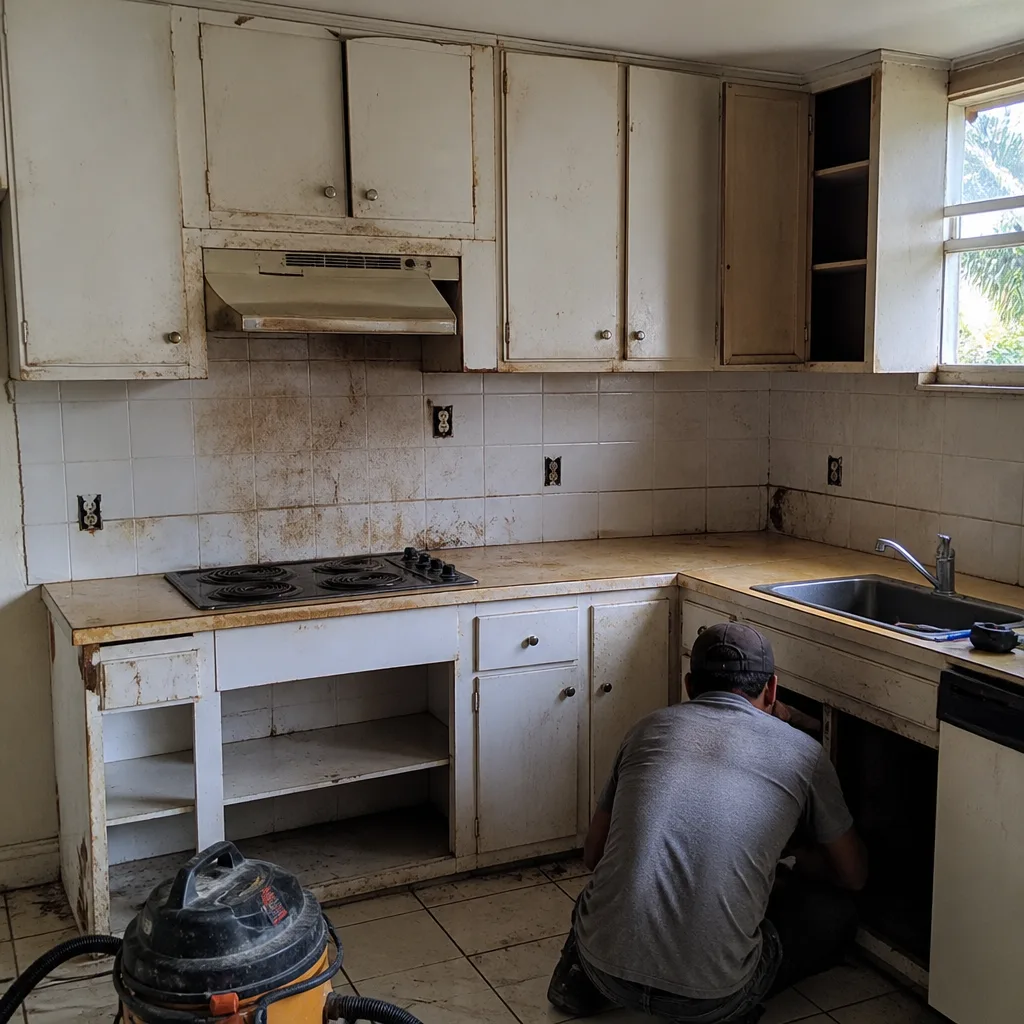 Before
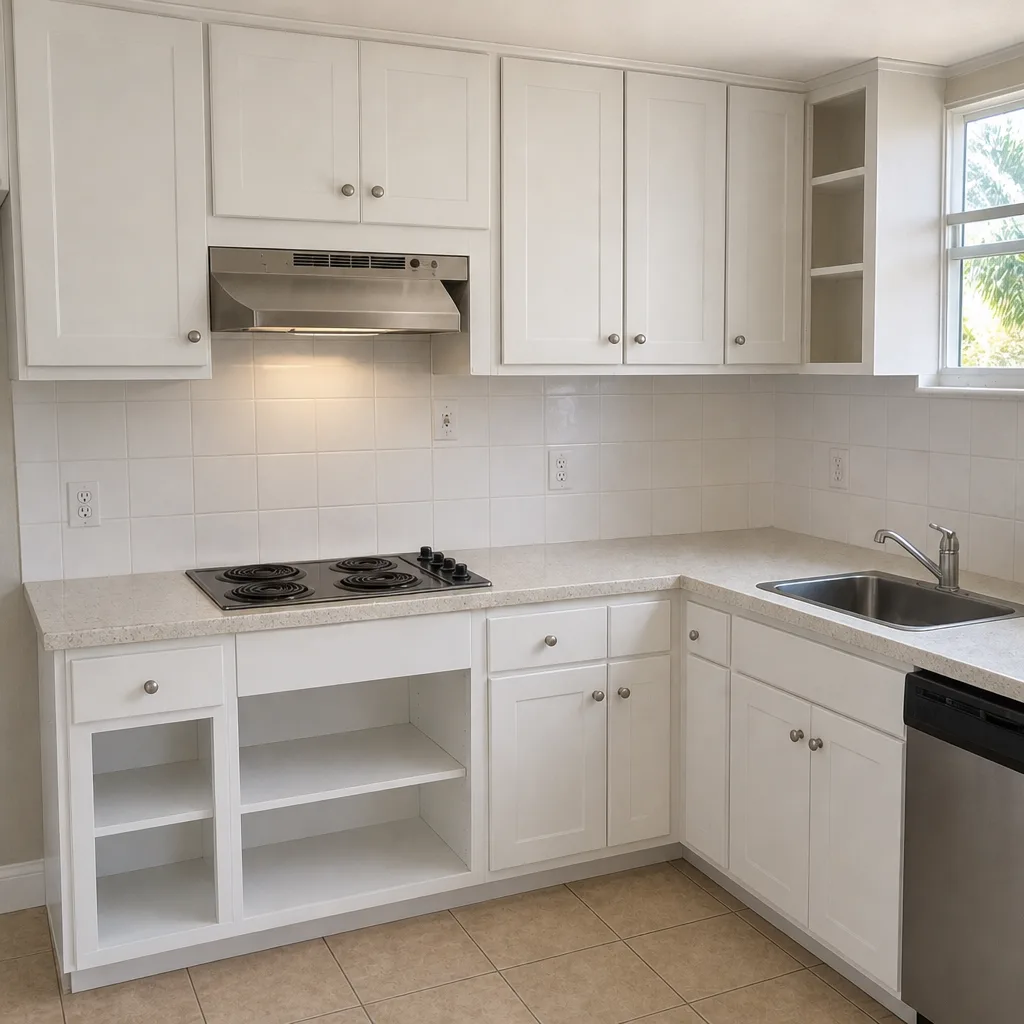 After
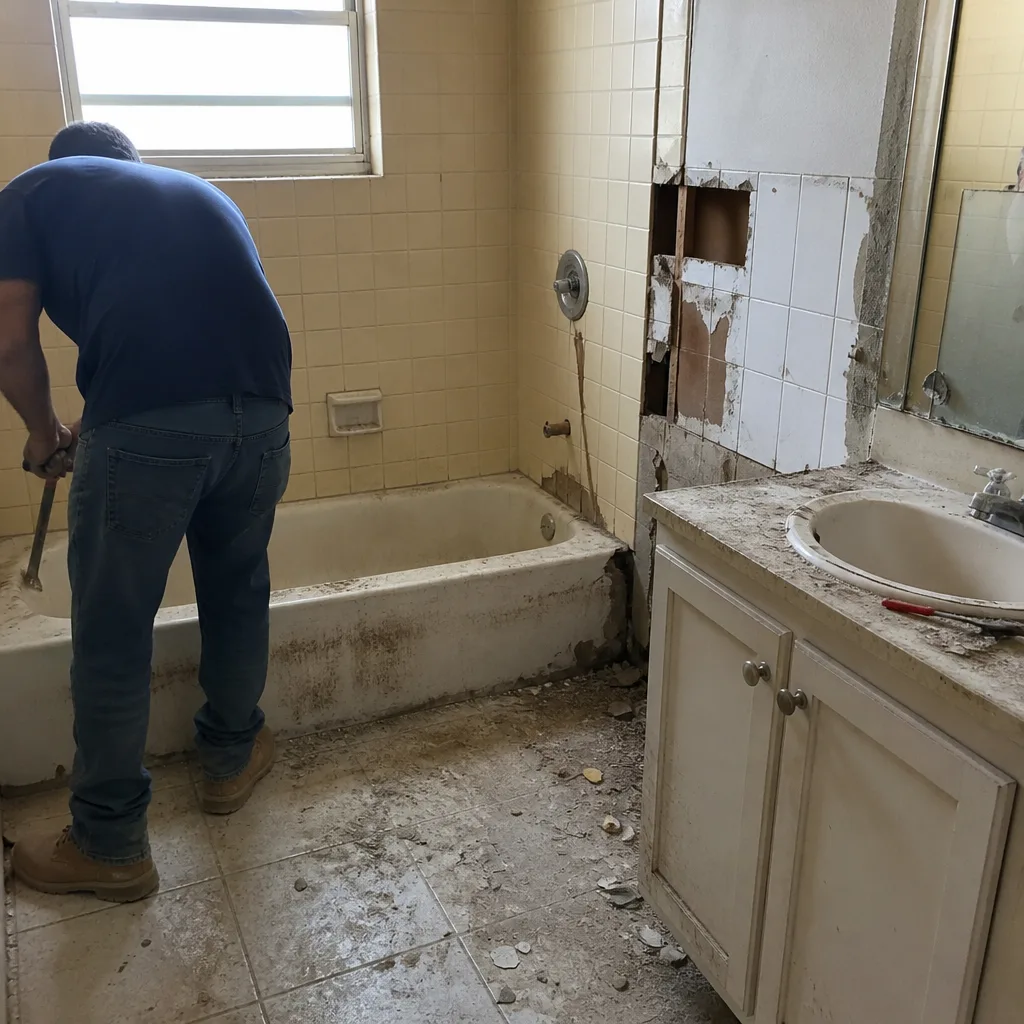 Before
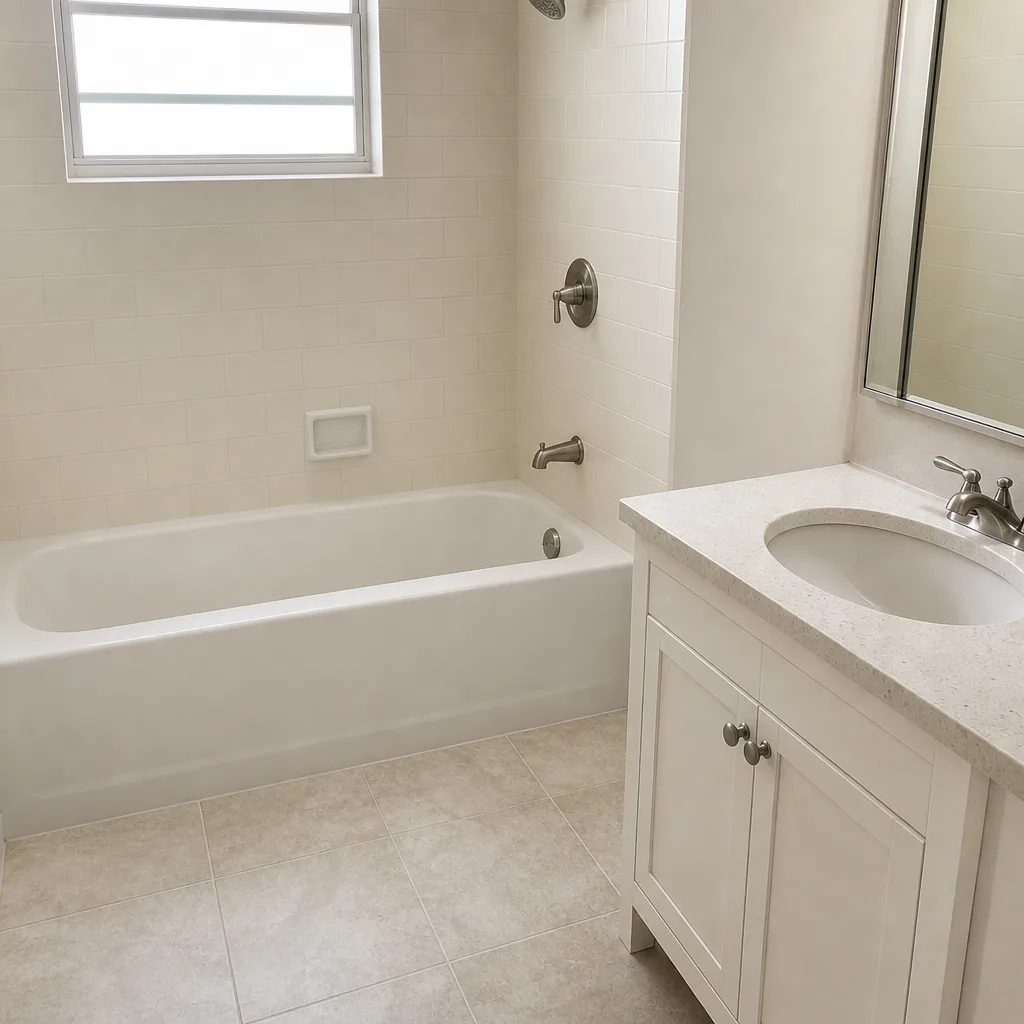 After
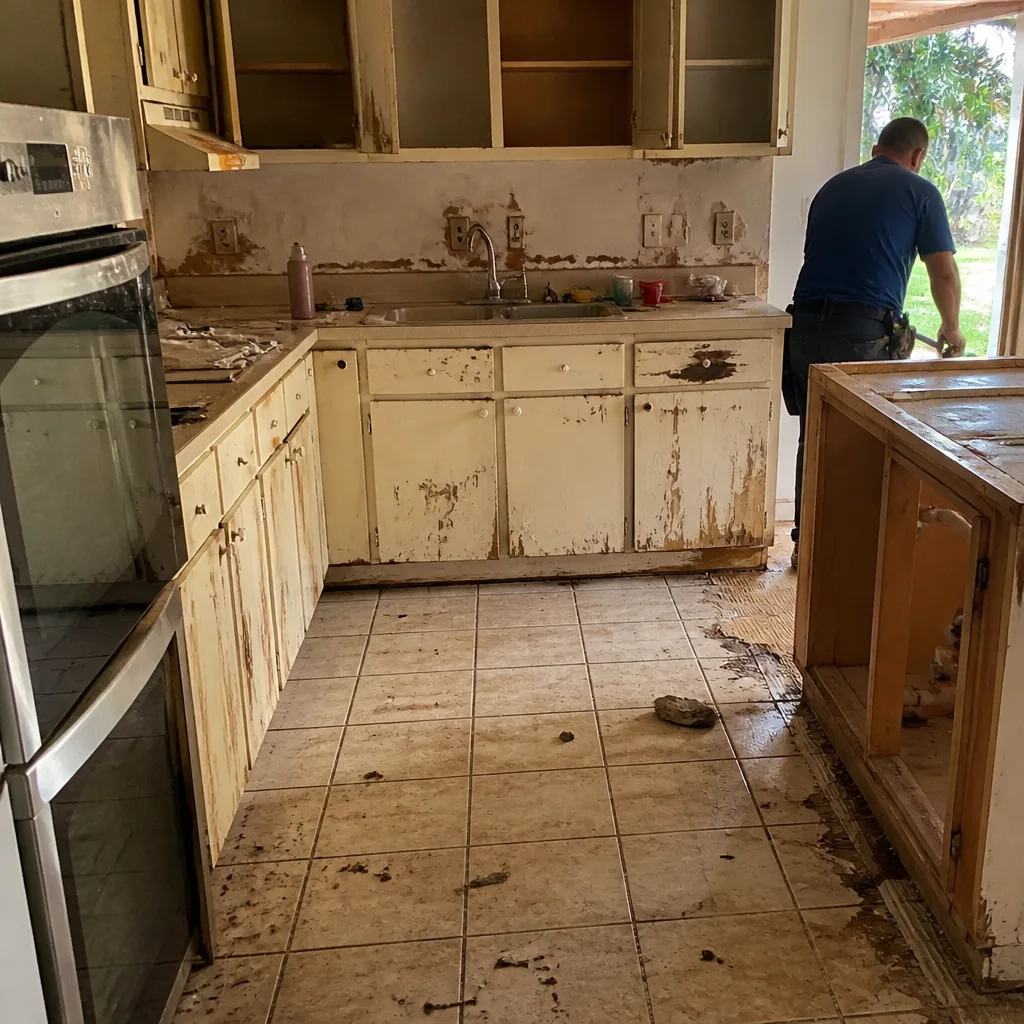 Before
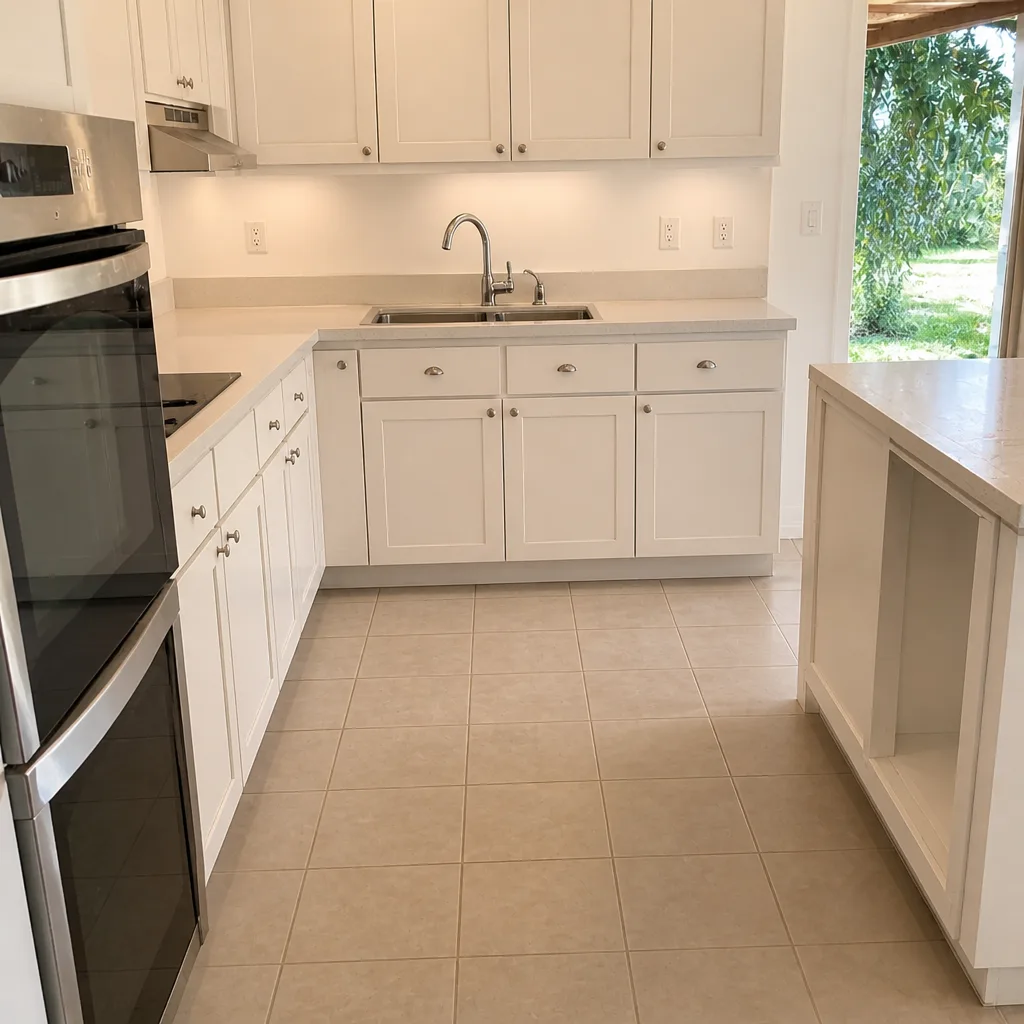 After
When to Call a Professional
Call a professional the moment any of these show up in your plans: HVAC, plumbing, or electrical is moving; a wall is being opened or added; a roof, window, or door is being replaced under HVHZ compliance; structural work or an addition is on the table; the project requires permits from your local building department; or the work involves any component that fails, and fails loudly, when installed below spec. For bathroom waterproofing, impact installation, and roofing, the case for a professional is straightforward: the installation method is the product, and DIY can destroy the compliance of a perfectly good material.
Kendall Construction Co offers free estimates in Kendall. We answer 24/7, and crews are dispatched Sunday through Friday, 7am to 7pm. Call (888) 300-8968 for a line-item written quote.
Frequently Asked Questions
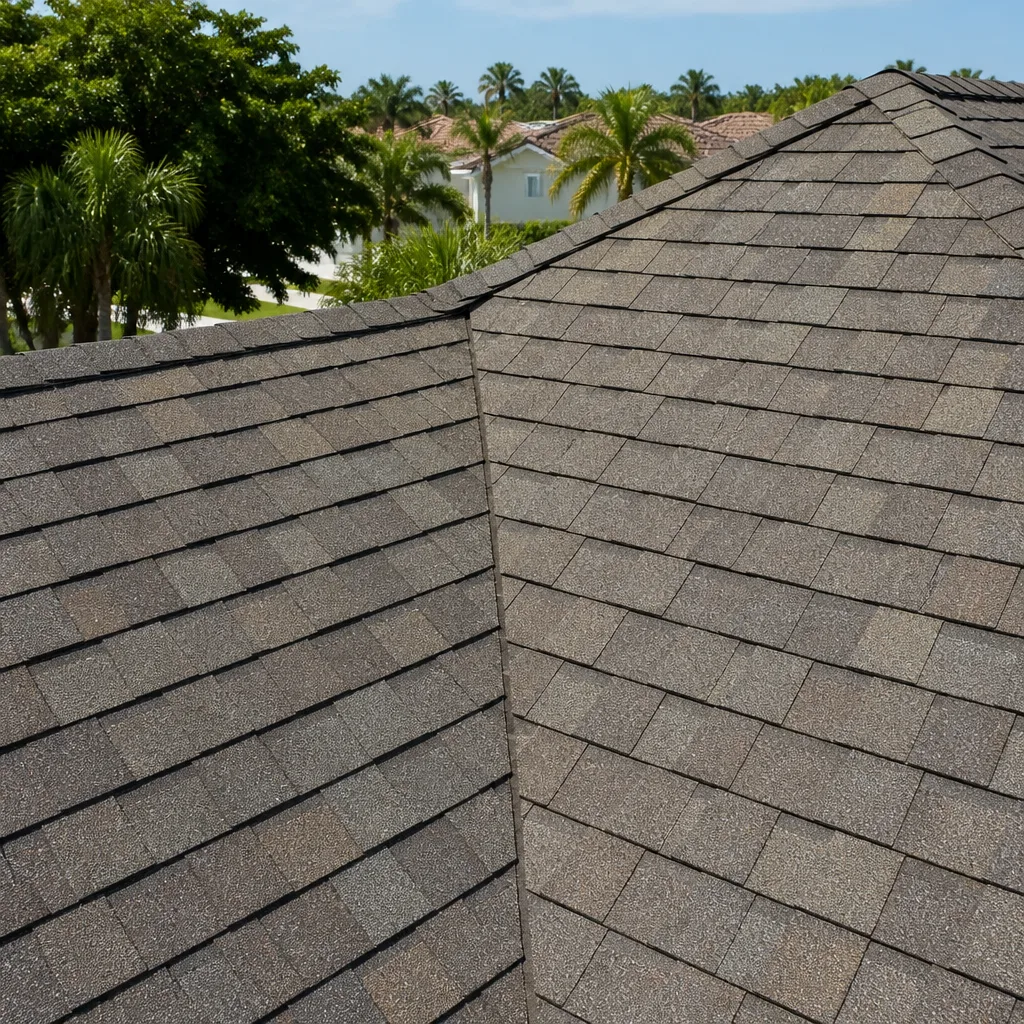
Most Kendall roof replacements in 2026 land between $18,000 and $28,000 for a typical home, driven by HVHZ-rated materials, required fastening and strapping, and Miami-Dade inspection costs. The most useful bid will itemize those components so you can compare across companies on the same scope. Call (888) 300-8968 for an exact quote, and note that estimates are free.
Three factors drive the gap: HVHZ code compliance in Miami-Dade, a higher local labor rate for skilled trades, and material import and logistics costs tied to Port of Miami distribution. Those factors add roughly 25% to 45% over national averages depending on the project. Any bid that ignores them isn’t a low bid; it’s an incomplete one.
The written estimate sets the final price. Change orders happen only when you request scope changes or when the contractor finds concealed conditions the original bid couldn’t have seen, such as hidden water damage or framing rot. Ask any bidder how they handle those discoveries before you sign. A transparent contractor names the conditions in the estimate’s exclusions.
Yes, permit work is standard on a Kendall project, and building permits are included as a line item rather than left off the bid. Permits, inspections, and compliance sign-offs for roofing, additions, windows, doors, kitchens, and bathrooms all belong in the written estimate. Ask any contractor you consider to put permit handling in writing.
A mid-range kitchen remodel typically runs 8 to 14 weeks in the Kendall market, longer if layout changes, permit hold-ups, or material backorders enter the picture. The schedule is driven by permit timing, cabinetry lead time, and countertop fabrication. Confirm your bidder’s schedule accounts for those three factors.
Kendall ADU projects in 2026 typically land between $150,000 and $300,000 for a prefab platform install, including site work and permit requirements. The installed price varies with utility connections, site conditions, and finish tier. Prefab platforms such as Abodu, Dvele, Boxabl, Mighty Buildings, and Plant Prefab each carry different footprints and specs worth comparing. Call (888) 300-8968 for an ADU estimate.
The Bottom Line
Kendall construction costs in 2026 top national averages by 25% to 45% because of HVHZ compliance, higher local labor rates, and material logistics. The right bid for your project accounts for all three plus permits, inspections, and named material tiers on every line. Compare bids on installed cost and scope, not sticker price, and treat schedule risk as a real budget item. Whether your project is a roof, a kitchen, a driveway, a bath, or an addition, getting to a fixed written estimate beats chasing a low headline number. Read bids with a pencil in hand, and the 2026 Kendall market stops being confusing and becomes something you can plan against.
If you’re ready to put a real Kendall number on your project, call (888) 300-8968 for a free estimate. We answer 24/7. Fast dispatch from 7am to 7pm, Sunday through Friday. Every quote is written, line-item, and fixed.
Written by the team at Kendall Construction Co.