Last updated November 18, 2026







Free written scope consultation - allowances, timeline, and change-order rules on paper before a single trade is scheduled
How to Hire a Construction Contractor in Kendall: A Step-by-Step Guide
Most advice about hiring a contractor tells you to get three bids and read the reviews. That advice fails Kendall homeowners, and it fails for a reason that has nothing to do with reviews. A contractor can hold a valid Florida license and still not be qualified to pull a permit in Miami-Dade County for the work you’re planning. That gap has stopped projects mid-build, after the deposit cleared and the framing was up. This guide replaces the generic checklist with a Florida-specific framework: how the licensing tiers actually work, how to verify a license in minutes, which contract clauses protect you here, and what a low bid from a scope-narrow specialist really costs once you count the delays. By the end you’ll know how to hire a construction contractor in Kendall with your eyes open.
Quick Answer
To hire a construction contractor in Kendall, verify the contractor’s license through Florida’s DBPR database and confirm the license type covers your project, then check that the same contractor can legally pull a Miami-Dade County permit for that scope. Get a written line-item estimate, insist on a Notice of Commencement and lien releases in the contract, and confirm the permit will be pulled in the company’s name rather than yours. The lowest bid is rarely the cheapest once coordination between separate trades is factored in.
Styles & brands we work with
- Kitchen remodeling
- Bathroom remodeling
- Home additions & ADU
- Roofing
- Windows & doors
- Driveway & pavers
- Fence
Table of Contents
- Florida’s three licensing tiers and which one you need
- How to verify a contractor’s license in under three minutes
- Why a low bid from a narrow specialist can cost more
- What a single-source contractor changes about your project
- The five contract clauses that aren’t negotiable in Florida
- South Florida red flags after a storm
- Miami-Dade climate and housing realities that shape scope
- Questions to ask before you sign
Florida’s three licensing tiers and which one you need
Florida separates construction licensing into distinct categories, and the category matters more than the license’s existence. A contractor with an active license of the wrong type is, for your project, effectively unlicensed. Knowing the tiers before you start calling contractors is the single most useful thing you can do for your Kendall project.
State Certified contractors
A State Certified contractor has passed the state exam and can work anywhere in Florida without additional local competency licensing. For a homeowner building an addition, remodeling a kitchen or replacing a roof, this is the broadest credential and the easiest to verify. It doesn’t automatically grant local permit rights, but it removes the question of whether the contractor is allowed to practice in Miami-Dade at all.
State Registered contractors
State Registered contractors hold a registration rather than a certification. Their authority to work comes from the local jurisdiction, which means they’re tied to specific counties or cities. A State Registered contractor may have perfectly legitimate authority in one part of Florida and none in Kendall. If a contractor you’re considering is State Registered, the question to ask is which local jurisdiction their registration covers, and whether that jurisdiction is Miami-Dade County.
Miami-Dade County Licensed contractors
Miami-Dade County runs its own competency licensing for trades and scopes, and some work requires a county-level license in addition to or instead of a state credential. This is the tier that trips people up. A contractor can be fully licensed by the state and still not hold the county credential your permit requires, or vice versa. Before you sign anything, ask two separate questions: “Are you state licensed?” and “Can you pull the Miami-Dade permit for this exact scope?” The answers aren’t the same thing, and a contractor who can’t answer the second question cleanly is telling you something.
If your project spans multiple scopes, this gets harder. A full-envelope renovation may touch roofing, windows, cabinetry and pavers, and each area has its own credential and permit questions. A contractor who handles all of it, like the team behind Kendall Construction Co, has answered those questions for themselves already.
How to verify a contractor’s license in under three minutes
Florida’s Department of Business and Professional Regulation maintains a public license database, and you don’t need an account or a fee to use it. Three minutes is a generous estimate. Here’s the process.
- Go to the DBPR license lookup. Search by the company’s legal name, the named qualifier, or the license number the contractor provides. If a contractor won’t give you a license number voluntarily, that’s a decision point in itself.
- Confirm the license type. The record shows what kind of license it is. Compare that against what your project actually requires, using the section above.
- Read the status field carefully. “Active” means the license is in good standing and the holder may practice. “Probation” or “restricted” means the license is active but subject to conditions, which can range from reporting requirements to supervised work. Ask what those conditions are before you sign.
- Check for complaints and disciplinary history. The same record links to any public disciplinary actions. One old complaint and a clean recent record is a different story than a pattern.
- Confirm the qualifier. Every licensed construction business needs a qualified individual behind it. Check that the person named as the qualifier is actually still connected to the company you’re hiring.
Do this for every contractor on your shortlist, including the one you plan to hire. It takes a few minutes and it catches the most expensive mistakes before they happen. In our experience, homeowners who do this step tend to ask better questions for the rest of the process.
Why a low bid from a narrow specialist can cost more
A contractor who only handles one trade can quote low on that trade and still leave you with a higher total project. The reason isn’t dishonesty. It’s coordination.
Consider a bathroom remodel in Kendall that touches tile, plumbing fixtures, waterproofing, ventilation and door hardware. A single-trade specialist bids on the portion they own. Someone else coordinates the rest, and if that someone is you, the cost shifts to your calendar and your risk. When the tile setter finishes before the plumber’s rough-in is signed off, or the fixture you bought doesn’t match the valve the plumber installed, the delay lands on the person holding the schedule. That person is you.
Coordination cost shows up in a few predictable places:
- Sequence delays. Each trade waiting on another trade is a day or more of lost time, and time is the most expensive material in any remodel.
- Accountability gaps. When a waterproofing failure ruins a finished tile job, two trades point at each other and the homeowner pays for the reinspection.
- Material mismatch. A vanity cabinet ordered to one spec, a drain rough-in to another, and a faucet rough-in to a third. Specification drift is expensive.
- Permit overhead. Multiple permits from multiple contractors mean multiple inspections, multiple scheduling windows and multiple chances for a failed inspection.
A higher bid from a single-source contractor often nets lower once these costs are counted. That’s not an argument for paying more; it’s an argument for pricing the whole project against the whole project, not one trade against one trade.
What a single-source contractor changes about your project
A single-source contractor holds the entire scope under one contract and one point of accountability. For Kendall homeowners, this matters most on projects where the inside and outside of the house are being touched at once: a kitchen gut with new windows, an exterior refresh that includes roofing, siding and a driveway.
What the single-source model actually delivers:
- One schedule owner. The contractor who owns the whole project controls the sequence, so trades aren’t waiting on each other by accident.
- One permit holder. The permit is pulled in the contractor’s name and the inspections are their responsibility to pass.
- One warranty contact. If something fails after the project wraps, you’re calling one company, not tracking down three trades.
- Material authority. The contractor who specifies the tile also specifies the waterproofing system behind it, so product accountability stays intact.
When scope runs from the driveway to the roofline, the fit of a single contractor improves. driveway & pavers work that intersects with a front-entry remodel, or a fence installation that needs to coordinate with a new driveway apron, is where separate contractors tend to leave seams. A full-envelope remit means someone is accountable for those seams.
For larger scope, the single-source model extends to additions. If your project involves a home additions & ADU plan, the coordination question multiplies, because the addition touches foundation, framing, roofing, windows, electrical and finish work in sequence. That’s a lot of hands on one project, and one contractor holding all of them is the difference between a schedule and a scramble.
The five contract clauses that aren’t negotiable in Florida
Florida’s construction and lien law gives homeowners real protections, but only if the contract honors them. These five clauses belong in every construction contract you sign in Kendall.
1. A Notice of Commencement in the contract
For permitted work, Florida law requires a Notice of Commencement to be recorded before work begins. It puts the world on notice that improvements are being made and establishes the framework for lien rights. Ask where it will be recorded and who is responsible for recording it. If the contractor doesn’t know what a Notice of Commencement is, that’s a serious red flag.
2. Lien releases from every subcontractor and supplier
In Florida, unpaid subcontractors and material suppliers can file a lien against your home even if you’ve paid the general contractor in full. The defense is a lien release. Require final lien releases from every sub and supplier before final payment, and require conditional releases at each progress payment. Build this into the contract, not the handshake.
3. Permits pulled in the contractor’s name
If a permit is pulled in the homeowner’s name, the homeowner carries the liability for code compliance and the inspection record. Insist the permit be pulled in the contractor’s name, or that the contract spell out exactly who is the permit holder and who answers for a failed inspection.
4. A line-item written estimate as the price basis
A lump-sum number is not a price; it’s a wish. The contract should include a written line-item estimate that breaks down materials, labor and allowances. Allowances need a stated process for what happens when selections come in over budget, including who approves the change and how it’s documented. The written estimate is what sets the final price, and the contract needs to say so.
5. Change order mechanics
Change orders are normal on any project that touches a real house. What isn’t normal is a change order process that leaves the homeowner without a documented price before the work proceeds. The contract should require a written, signed change order for every scope change, with a stated price, before the work begins.
If a contractor pushes back on any of these, that’s your answer. A legitimate contractor welcomes documented process; the pressure is the tell.
South Florida red flags after a storm
After a significant storm, South Florida sees a surge of contractors arriving with capacity to spare and no local history. Some are excellent, some are transients, and the difference is difficult to spot without checking. These are the tells that matter.
- Temporary licenses. Some credentials are issued as temporary or emergency authorization after a declared event. Check the expiration and the specific scope. A temporary credential doesn’t cover a full remodel, and it definitely doesn’t answer for a project starting next month.
- Out-of-county registrations. A contractor registered in another county may have no authority to pull a Miami-Dade permit. Ask for the county credential, not the state registration number.
- Pressure-close tactics. “The price is good today only,” “we have a crew in the neighborhood tomorrow,” and similar language. A contractor who can’t give you a day to read the contract can’t be trusted with your home.
- Large deposits before contract signing. Florida has rules about deposits and starting work. A request for a large sum before the contract is signed and before the Notice of Commencement is recorded is a reason to stop and verify.
- No verifiable physical business. A legitimate contractor can show you a license number, a business address and a track record of completed projects. If all three are unclear, the bid is too low for the risk.
- Spec sheet avoidance. A contractor who can’t name the brands they install, or who won’t commit to a specific product line in writing, is signaling inexperience with that scope. Brand specificity is how a real contractor shows you what you’re buying.
The best protection against all of these is the same: verify the license, confirm the county credential, and read the contract before you sign it.
Miami-Dade climate and housing realities that shape scope
South Florida’s climate is mild in winter and relentless in summer, and both facts shape what construction work has to accomplish. A Kendall project planned for a July start will spend much of its schedule managing heat and rain; a project planned for January has the same weather as a Tuesday in Orlando. The climate doesn’t just affect when work happens; it affects what gets specified.
The practical implications for your scope:
- Water management is a first-order concern. Roof details, window flashing, exterior door thresholds and driveway grading all interact with heavy seasonal rain. A project that treats waterproofing as a tile-installer detail rather than a whole-envelope detail tends to fail at the seams.
- Window selection drives interior comfort more than insulation in the walls. Solar heat gain through glass is a significant load on a South Florida home, which is why impact-rated windows and doors from brands like PGT and CGI are so often part of a Kendall remodel. The benefit is real even in months without a named storm.
- Exterior durability matters. Roofing systems, siding (James Hardie is a common choice here) and hardscape including Belgard and Unilock pavers all get tested by sun and rain. Specifying for durability isn’t cosmetic; it’s maintenance expense moved earlier.
- Interior waterproofing needs to be treated as a system. A bathroom remodel in Kendall that specifies a premium fixture like a Toto or Grohe valve set but skips the waterproofing system behind the tile is a false economy. Schluter Systems waterproofing and tile membranes are the kind of specification that separates a bathroom that lasts fifteen years from one that leaks in three.
None of this is exotic. It’s just what a contractor who works in Kendall has to know. The test isn’t whether your contractor can recite the climate; it’s whether their proposed specifications reflect it.
Questions to ask before you sign
The quality of a contractor relationship is set in the questions you ask before the contract, not after. These are the ones that draw out the difference between a professional and a bid.
- “What’s your license number, and what type is it?” Ask directly. Then verify through DBPR.
- “Hold or show me the Miami-Dade county credential for this scope.” The state license isn’t the whole answer.
- “Who will be on my project, and are they your people or subcontractors?” You want to know who’s showing up at the door.
- “What are the specific brands and product lines in this scope?” A contractor working with a curated roster should be able to name them: a GAF or CertainTeed roofing system, Therma-Tru doors, KraftMaid or Wellborn cabinetry, Cambria or Silestone countertops, Master Halco fencing. Brand specificity is a proxy for trade knowledge.
- “Will you pull the permit, and in whose name?” The right answer is the contractor’s name.
- “What’s in the contract about liens and releases?” A good contractor has a standard answer prepared.
- “How are change orders documented?” Written, signed, priced before work continues.
- “Can I see the schedule broken down by phase?” Anyone who can’t produce a schedule for your project hasn’t really planned it.
Clear answers to all eight are what you’re looking for. The contractor who answers with a shrug on any of them is telling you something you should listen to.
Common Mistakes to Avoid
- Trusting the license number alone. An active license of the wrong type is legally the same, for your project, as no license at all. Verify the type and the county credential.
- Comparing bids across different scopes. A bid for “bathroom remodel” from a tile contractor and one from a full-scope contractor are not comparable numbers. Same for a roof-only bid against a roof-and-siding project. Price the same scope against the same scope or the comparison is noise.
- Skipping the Notice of Commencement. It’s a legal formality until it isn’t. Record it before work starts, or confirm the contractor’s process for doing so.
- Accepting a lump sum without line items. When a project runs over, the question is what changed and what it costs. A lump sum with no line-item detail leaves you negotiating from zero.
- Not reading the change order process. Change orders are normal. A contract with no stated change order process means every change is an ad hoc negotiation.
- Letting the schedule run without a phase plan. A big project without a written schedule drifts. Weekly checkpoints keep it honest.
- Hiring a narrow specialist for a multi-phase job because their bid is lower. The coordination cost and the accountability gaps usually eat the difference and then some.
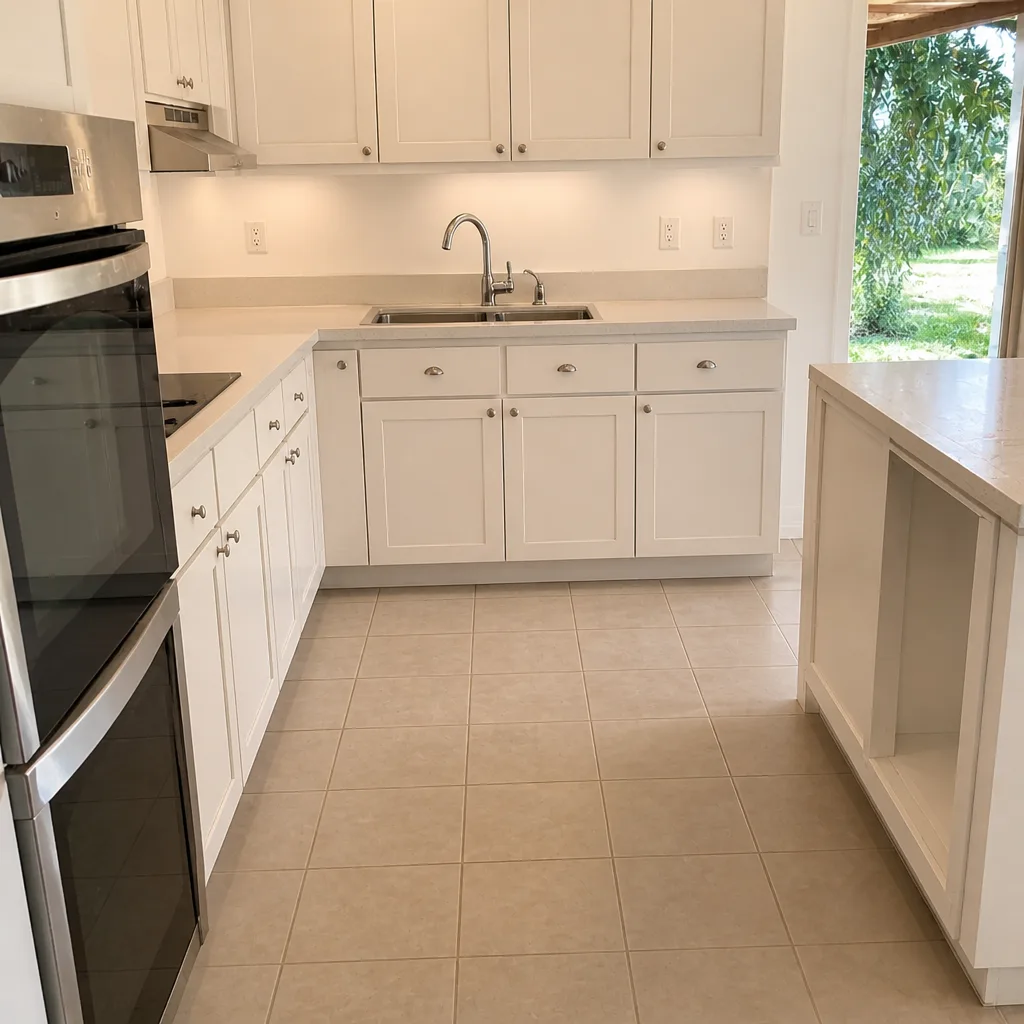
See the difference
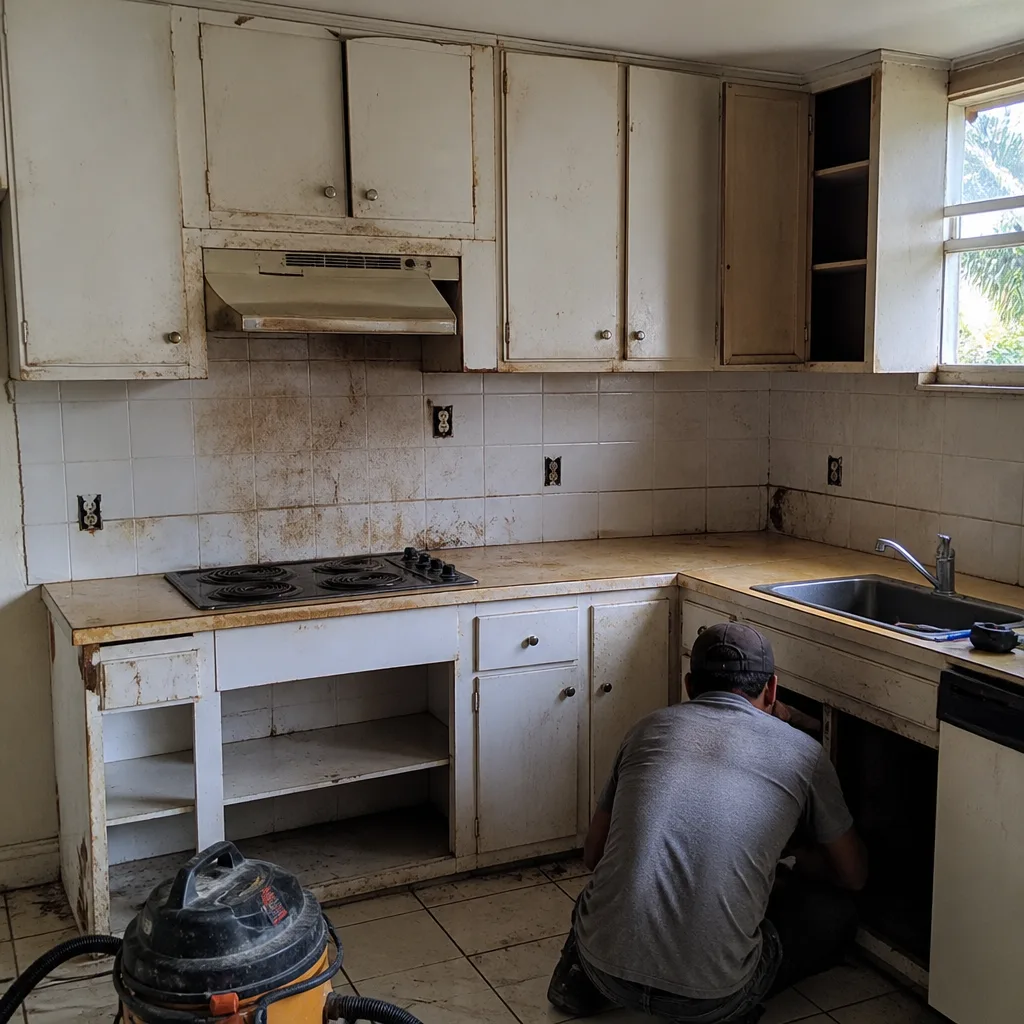 Before
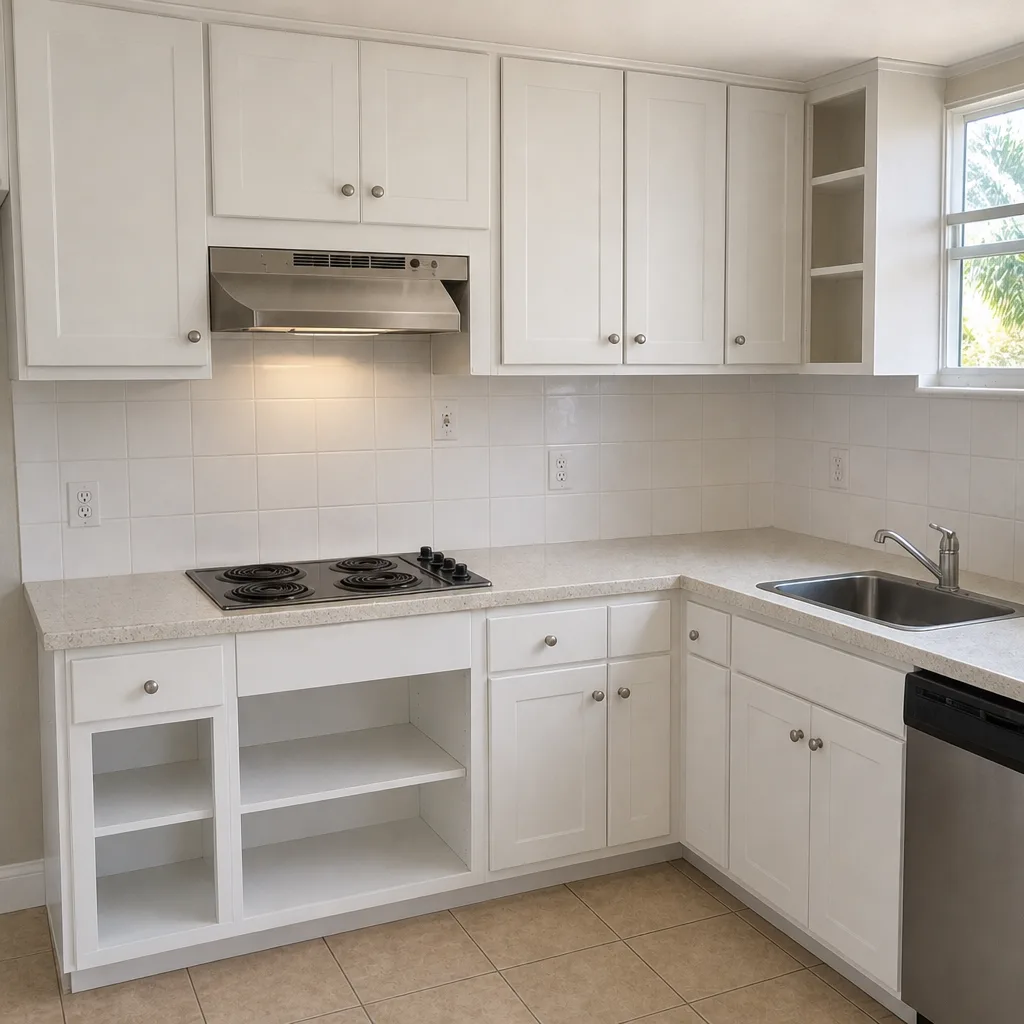 After
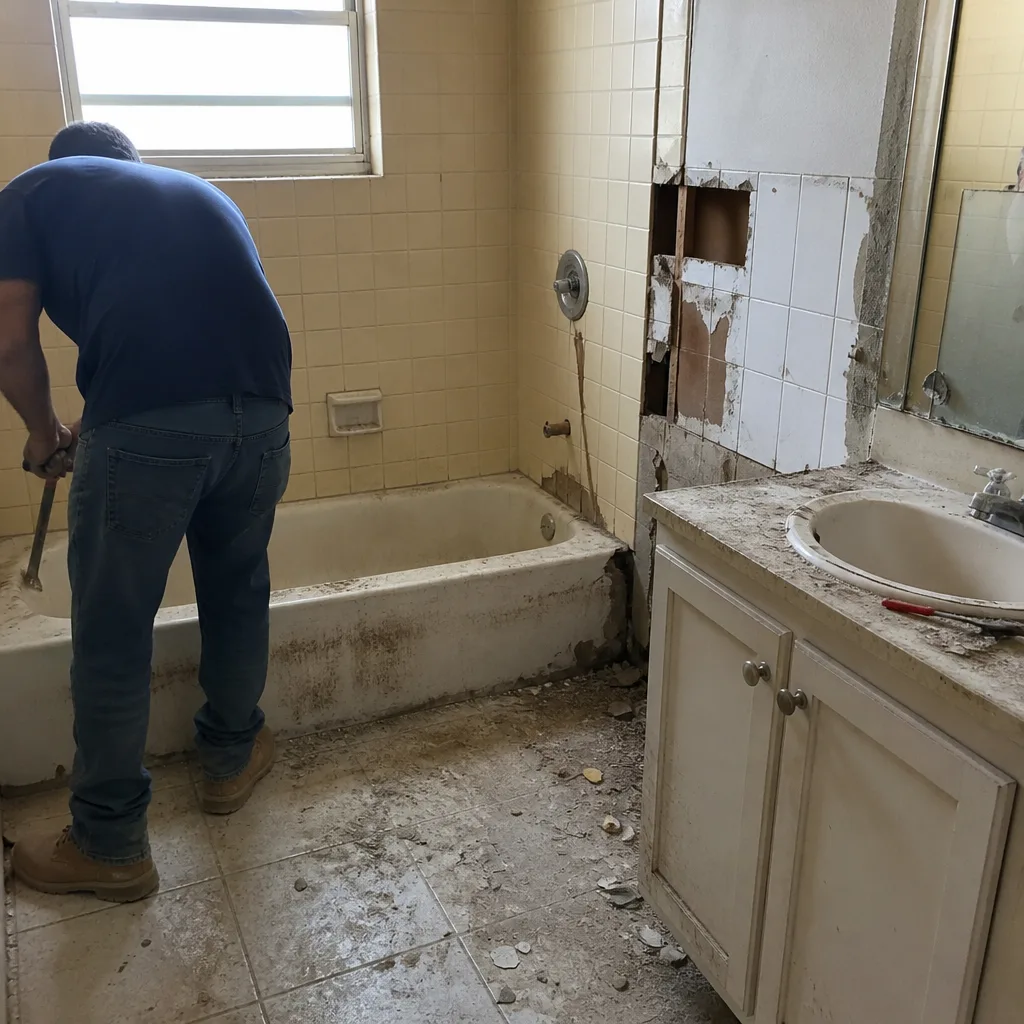 Before
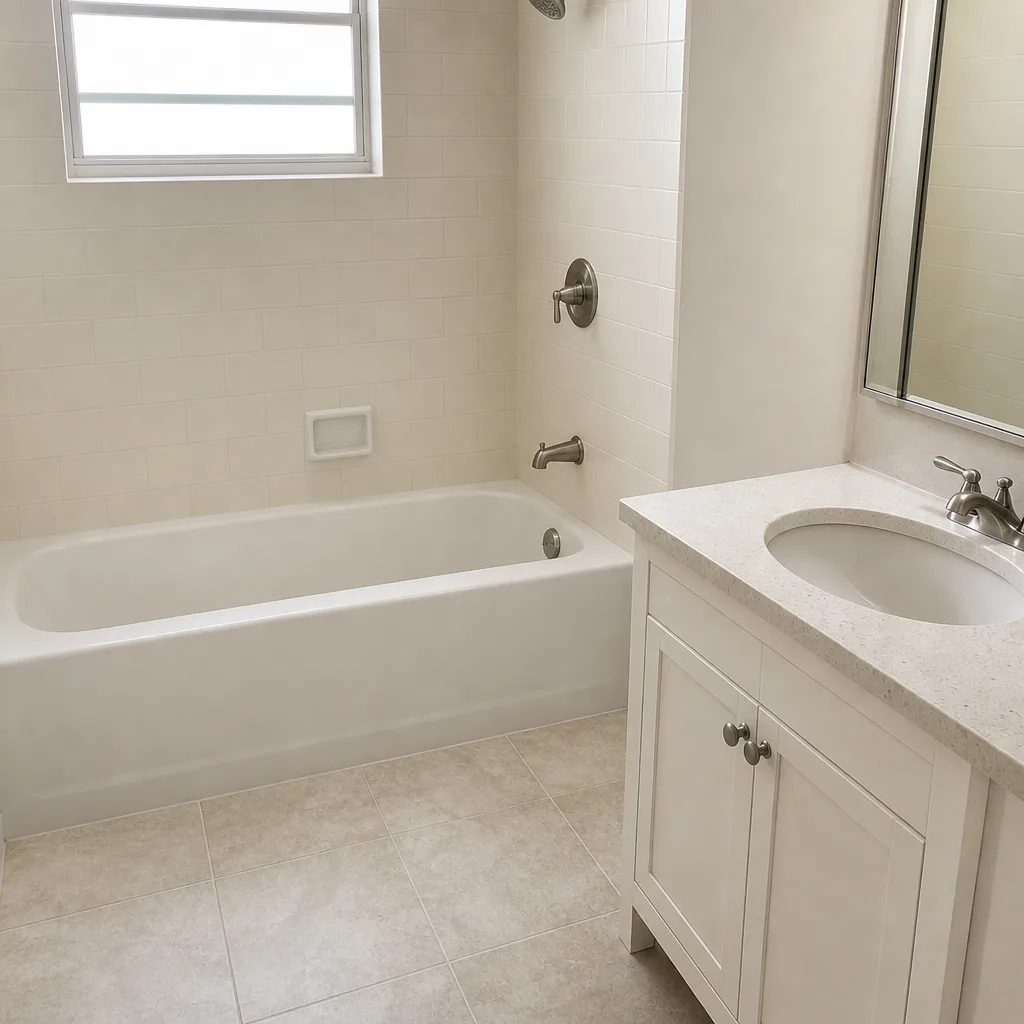 After
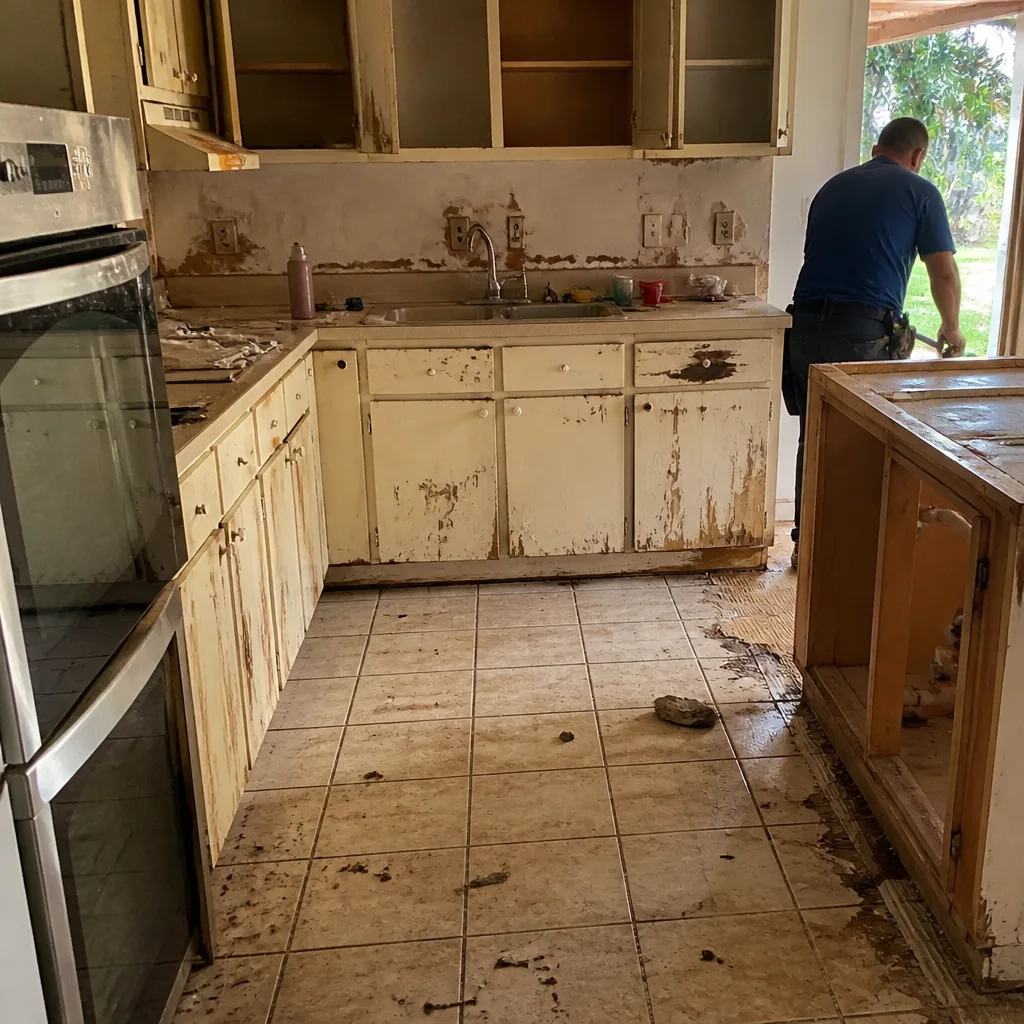 Before
 After
When to Call a Professional
Some projects are genuinely do-it-yourself territory: a faucet swap, a paint refresh, hanging a cabinet. Others are not, and the line has less to do with how hard the work looks and more to do with what happens if it goes wrong. Any project touching electrical, gas, structural framing, roof tie-ins, permitted plumbing rough-in or the building envelope is a project that should start with a licensed, insured contractor. Windows and doors, roofing, driveways and fences all carry permit, code and product-specification questions that are expensive to answer twice. Bathroom and kitchen remodels almost always cross the line, because the waterproofing and rough-in work behind the finished surface is where the real risk lives. Home additions and ADUs are in a category of their own. If your project is one of those, or if you’re not certain where yours falls, calling early is cheaper than discovering later.
Kendall Construction Co offers free estimates in Kendall. Call (888) 300-8968 to schedule yours. We answer 24/7. Fast dispatch from 7am to 7pm, Sunday through Friday.
Frequently Asked Questions

General contractor pricing in Kendall is set per job by a written estimate, not by a published rate schedule. The estimate should break out materials, labor and allowances so you can see where the cost sits, and the written estimate is what sets the final price. Call (888) 300-8968 for an exact quote; estimates are free.
You need the credential that matches your project’s scope, and for many scopes that means the Miami-Dade County credential in addition to or instead of the state license. A State Certified contractor holds the broadest Florida credential, but the county permit authority is a separate question. Verify both before you sign. Call (888) 300-8968 to have us walk through what your specific project scope requires.
Use the Florida DBPR license lookup and search by company name, license number or qualifier name. Confirm the license type, read the status field, check for disciplinary history, and confirm the named qualifier still belongs to the company. The whole check takes a few minutes. If anything looks off, call (888) 300-8968 and we’ll help you read what you’re seeing.
Not without a signed change order. A professional contract requires a written change order with a stated price before any scope change proceeds. Allowances are the common source of price movement, so the estimate should state how overages are approved. Call (888) 300-8968 for an estimate with line items and stated allowances.
Yes, the permit should be pulled in the contractor’s name, not yours, and the contractor should own the inspection record. A contract that shifts the permit to the homeowner shifts the liability with it. Call (888) 300-8968 and we’ll walk through the permit process for your project.
Timeline depends on scope, permit turnaround and material lead times, and no honest contractor will quote a number before seeing the project. What a good contractor will provide is a phase-by-phase schedule in writing, with the sequence and the dependencies stated. Call (888) 300-8968 to schedule a free estimate and a schedule conversation.
The Bottom Line
Hiring a contractor in Kendall comes down to three things the generic advice skips. First, verify the license type, not just the license: a state credential and a Miami-Dade permit authority are different questions. Second, price your project as a whole project, not as one trade against another, because the coordination cost of scope-narrow specialist bids usually erases the discount. Third, get the contract right: Notice of Commencement, lien releases, permits in the contractor’s name, line-item estimates and a written change order process. Do those three things and the rest of the process takes care of itself. Skip them and no number of positive reviews saves you.
Kendall Construction Co brings one contractor and every trade to Kendall projects, with a curated roster of over 50 brand lines from roofing to cabinetry to pavers, and free estimates that break out the scope line by line. Call (888) 300-8968. We answer 24/7. Fast dispatch from 7am to 7pm, Sunday through Friday.
Written by the team at Kendall Construction Co.