Last updated November 18, 2026




Free written scope consultation - allowances, timeline, and change-order rules on paper before a single trade is scheduled
DIY vs Professional Construction: The Kendall Homeowner’s Decision Guide
Florida law lets a homeowner pull an owner-builder permit and act as their own general contractor. It sounds like a green light for DIY, and plenty of Kendall homeowners read it that way. But the same statute that permits owner-building also makes it a violation the moment you hire a single unlicensed subcontractor to work under you. That nuance is where most of the confusion starts. This guide maps where the line actually falls in Kendall: which trades you can legally and safely handle yourself, which you can’t, how permitting and insurance actually work here, and how to run an honest DIY-versus-pro bid comparison before you commit. We’re Kendall Construction Co, and the projects are Kendall’s share of the work.
Quick Answer
In Kendall, painting, landscaping, cabinet hardware, and decorative paver edging are all reasonable DIY projects. Roofing, electrical, plumbing, and HVAC work are not: they legally require a licensed contractor and will void parts of your homeowner’s insurance if done unpermitted. Anything structural, anything behind a wall, and anything that affects the wind and water resistance of your home belongs with a licensed professional. For everything in between, the smart move is to price it out yourself honestly, then compare it to a professional bid before you commit.
Styles & brands we work with
- Kitchen remodeling
- Bathroom remodeling
- Home additions & ADU
- Roofing
- Windows & doors
- Driveway & pavers
- Fence
Table of Contents
- What Florida Law Actually Says About DIY Work
- The Insurance Fine Print Nobody Reads Until a Claim
- Where Legitimate DIY Adds Real Value
- How to Calculate Your True DIY Cost
- The Resale Disclosure Problem in Miami-Dade
- Permits, Inspections, and the Owner-Builder Option
- Choosing Materials First, Contractor Second
- Common Mistakes to Avoid
What Florida Law Actually Says About DIY Work
Florida’s construction licensing law, Chapter 489, is one of the more specific statutes in the country about who can legally do what. The practical version for a homeowner: you can work on your own home, but a contractor cannot work for you without a state license. Where this trips people up is the middle ground.
The first trap is the subcontractor. If you pull a permit as an owner-builder and then hire someone to do electrical or plumbing under that permit, you’ve effectively become their employer in the eyes of the state. The person you hired needs to be licensed, insured, and permitted in their own name. Otherwise you, the homeowner, are the one who violated the statute, not them.
The second trap is the “handyman exception.” Florida allows small, non-structural jobs below a threshold value without a license in some cases, but the exception does not apply to:
- Roofing of any kind, in any size, at any value
- Electrical service, panel, wiring, or fixture work beyond simple like-for-like swaps
- Plumbing that ties into the supply or drain system
- HVAC installation, refrigerant work, or duct modification
- Structural framing, additions, and anything affecting the building envelope
The third trap is the pool of local “contractors” who’ll tell you they’ll handle it under their buddy’s license. Even for legitimate referrals, licensing is personal. It does not transfer. In Kendall, the honest version of this conversation always ends the same way: you either do the work yourself under an owner-builder permit and take on all the responsibility, or you hire a licensed contractor and the responsibility shifts to them along with the permit. There isn’t a comfortable middle.
The Insurance Fine Print Nobody Reads Until a Claim
Here’s the part that rarely makes headlines but has cost thousands of South Florida homeowners a claim: homeowner’s insurance policies almost universally include language that lets the insurer reduce or deny coverage on work performed without required permits or by unlicensed people. You won’t notice it in the declarations page. You’ll notice it when you’re standing in a water-damaged kitchen and the adjuster asks for the permit number on the work that caused the leak.
Kendall sits in a region with genuinely high claim exposure. Wind, water intrusion, storm damage: these are the claims most Miami-Dade policies are built around. Every one of them creates an opening for the insurer to investigate the work that touched the affected assembly.
The fix is not complicated. It’s tedious, unglamorous, and it works:
- Confirm every permit was pulled and closed on work that touched the envelope, roof, plumbing, electrical, or HVAC.
- Keep the inspection records with your home documents, not just in a folder on a phone you’ll replace.
- Never let a contractor talk you into “we’ll pull the permit later” or “we don’t need one for this size.”
- If you buy a home, ask for a permit history before you close.
When a claim does come up, having the permit record ready is what turns a fight into a routine approval. When it doesn’t, you’re the one arguing with the insurer over whether the work was covered in the first place.
Where Legitimate DIY Adds Real Value
Not every project needs a permit, a license, or a professional. Some of the highest-return updates a Kendall homeowner can make don’t touch the envelope at all, and doing them yourself saves real money without any legal exposure.
- Interior painting. No permit, no license, no warranty concerns. The only risks are drips and color regret, and both are fixable.
- Cabinet hardware. Knobs, pulls, drawer slides, soft-close conversions. Any tool-light homeowner can do this in a few hours and the visual difference is immediate.
- Landscaping and bed design. Planting, mulching, curb-line trimming, and bed reshaping all live outside the permitted trades.
- Decorative paver edging. Edging and border work on an existing driveway or walkway isn’t structural installation. It’s decoration, and it’s fair game.
- Interior trim and shelving. Baseboards, chair rail, plain shelving units. Cosmetic carpentry that doesn’t affect structure or the envelope.
- Fixture swaps that don’t touch lines. Replacing a light fixture or a faucet is more legal than people assume, as long as you’re not opening the wall, moving a supply line, or modifying a drain.
Everything on that list shares one trait: it doesn’t affect the home’s structural integrity, its wind and water resistance, or the trades that require state licensure. As long as you stay on this side of the line, DIY is a real savings tool. The minute the project touches the envelope or the licensed trades, it stops being one.
How to Calculate Your True DIY Cost
The number on the receipt for your materials is not the number that matters. The number that matters is your all-in cost, including tools, waste, rework, time, and risk. Run the calculation honestly and you’ll usually find that the DIY-versus-pro gap is smaller than you expected, or occasionally that DIY wins outright. Both outcomes are fine. What’s not fine is convincing yourself it’s a $400 project when it’s actually a $900 project and a lost weekend.
Here’s a workable method. Compare the two numbers side by side:
- Materials, bid vs. receipt. A contractors pulls contractor pricing on the same product lines you’ll pay retail for. Ask for the material list from a bid, then price that same list at retail yourself. That’s the honest material comparison.
- Tool acquisition. Unless you already own the tools the job needs, factor in buying or renting every one of them. Tile saws, wet saws, ladders rated for exterior work, roofing nailers, drywall lifts. That’s often a few hundred dollars the DIY budget forgets.
- Material waste factor. Tile, drywall, flooring, and roofing all require over-ordering. A pro orders tighter because they know the cut. A DIYer needs a real waste allowance, so the material cost climbs.
- Learning-curve rework. Whatever you do for the first time, assume you’ll do part of it twice. Price in the second material run and the second tile purchase.
- Permit self-filing. If you pull an owner-builder permit, count the trips to the county office, the plan review wait, and the inspection appointments. That’s real time off work.
- Your own hourly value. Multiply your realistic hours by what an hour of your time is actually worth. Not your wage. Your willing-to-give-up-a-weekend wage.
Once you have both columns, the picture becomes honest. Sometimes the professional bid wins by a wide margin. Sometimes the DIY column is shorter and you get the project you wanted on the timeline you wanted. Both are good. Either way, you stop guessing.
One final note: the professional bid is free to ask for, and a good contractor will itemize it so you can compare line by line. That’s part of how a written estimate differs from a rough guess. For projects that involve driveway & pavers or an exterior refresh, the line-item bid is often the fastest way to see the true scope of the work.
The Resale Disclosure Problem in Miami-Dade
Florida requires sellers to disclose known defects and known unpermitted work before closing. The buyer’s inspector already knows this, and in Miami-Dade they’re trained to look for it: mismatched work at the panel, an addition that doesn’t match the tax records, a bathroom that was clearly rebuilt because the tile pattern doesn’t stop at the wall the way it should. Unpermitted work doesn’t fail the inspection. It fails the negotiation.
What usually happens is not a deal killer. It’s a price adjustment. The buyer asks for a credit or demands the work be brought up to code, and the seller is the one absorbing the cost. In a market that rewards clean, documented homes, the owner who did it right gets paid for it at resale. The owner who didn’t almost always ends up paying for it one way or the other.
If you’re going to do a project yourself, do it in a way you can document. Pull the permit if the work requires one. Keep inspection records. Photograph the work in progress before it gets covered up. That documentation is what turns a good DIY project into an asset instead of a liability.
Permits, Inspections, and the Owner-Builder Option
The owner-builder permit is real and it’s legal in Florida for a single-family home the homeowner will occupy. It’s also the strictest, least forgiving permitting lane available to you. Here’s how it actually works in practice:
- Confirm ownership and occupancy. Owner-builder permits are only for the primary residence, not for rentals or for resale.
- File the permit with the county. Plans, product approvals, and a notarized affidavit confirming you’ll do the work yourself or hire licensed trades are typically required.
- Hire licensed subcontractors if you hire at all. Each trade that touches the permit has to be licensed, insured, and named on the permit.
- Schedule inspections in the right order. Rough-in inspections before walls close, framing inspections before sheathing, final inspection before you use the space.
- Close the permit. An open permit becomes a problem at sale, at refinance, and at any future claim that touches the same assembly.
The part DIYers underestimate is the inspection scheduling. Inspectors aren’t on your timeline. They’re on the county’s. Missing a window means the project sits exposed for days, and every day of exposure is a day your home is vulnerable to the afternoon rain that comes through South Florida for much of the year. That’s the real cost of the owner-builder lane. Not the paperwork. Not the permits. The lost days.
For projects where the wall stays closed and the work is cosmetic, none of this applies. For projects where it does, the honest answer is that the permit is a formality when a professional is doing the work and a project risk when it’s not. If you’re planning a build that includes home additions & ADU, the permitting path matters from day one. It affects the plan review timeline, the inspection sequence, and whether the finished structure is insurable and resellable.
Choosing Materials First, Contractor Second
Most homeowners pick a contractor first, then accept whatever brand the contractor brings. That’s the wrong order. The materials you choose drive the lifetime cost of the project, the maintenance burden, and the resale appeal, and you should be the one choosing them.
When we work with a homeowner, the conversation starts with product lines, not with our schedule. The driveway is Tremron or Techo-Bloc or Cambridge Pavers, depending on the look and the budget. The fence is a specific system, not “the fence that’s available.” The roof is one of the major roofing systems with published wind ratings. Choosing material first, contractor second, is what gives you leverage in the conversation.
This is the same principle whether you’re building it yourself or hiring a professional. Know what you want before anyone quotes you. The bid quality goes up when the specifications are specific.
On the platform we use to structure projects around a homeowner’s material priorities, the order is always the same: materials, then sequence, then trades. Which is why our own service model is “one contractor, every trade” across the full envelope: fence installation, roofing, windows, bathrooms, kitchens, and pavers all running through a single accountable relationship. It’s not because one contractor is always cheaper. It’s because the gaps between separate contractors are where projects lose time and budget.
Common Mistakes to Avoid
- Hiring an unlicensed “handyman” for licensed work. Roofing, electrical, plumbing, and HVAC must be done by a licensed contractor in Florida. The savings evaporates the first time a claim adjuster asks for the permit.
- Skipping the permit to “save time.” Unpermitted work slows a sale, complicates a claim, and can cost more to fix than the permit would have cost to pull. The permit is cheap. The cleanup isn’t.
- Trusting a contractor’s license number without checking it. Florida maintains an online license lookup. Five minutes of checking is worth the entire project. Verify before you sign.
- Budgeting on materials only. The true DIY cost includes tools, waste, rework, permits, and your own time. Budget on the all-in number, not the receipt.
- Removing a wall without checking what’s inside it. In South Florida, an interior wall may be load-bearing or hiding a supply line. Take a contractor’s opinion before you take a hammer to it.
- Buying materials before the bid. Buying materials before you’ve seen a professional bid locks you into a spec the contractor might have recommended changing. Bid first, buy second.
- Letting a contractor talk you out of a permit. A licensed contractor who wants to skip the permit is telling you something. Believe it and walk away.
The pattern across all seven mistakes is the same: shortcuts at the front of a project become costs at the back. The Kendall projects we take on are the ones where those costs were avoided by asking the right questions before anyone picked up a tool.
See the difference
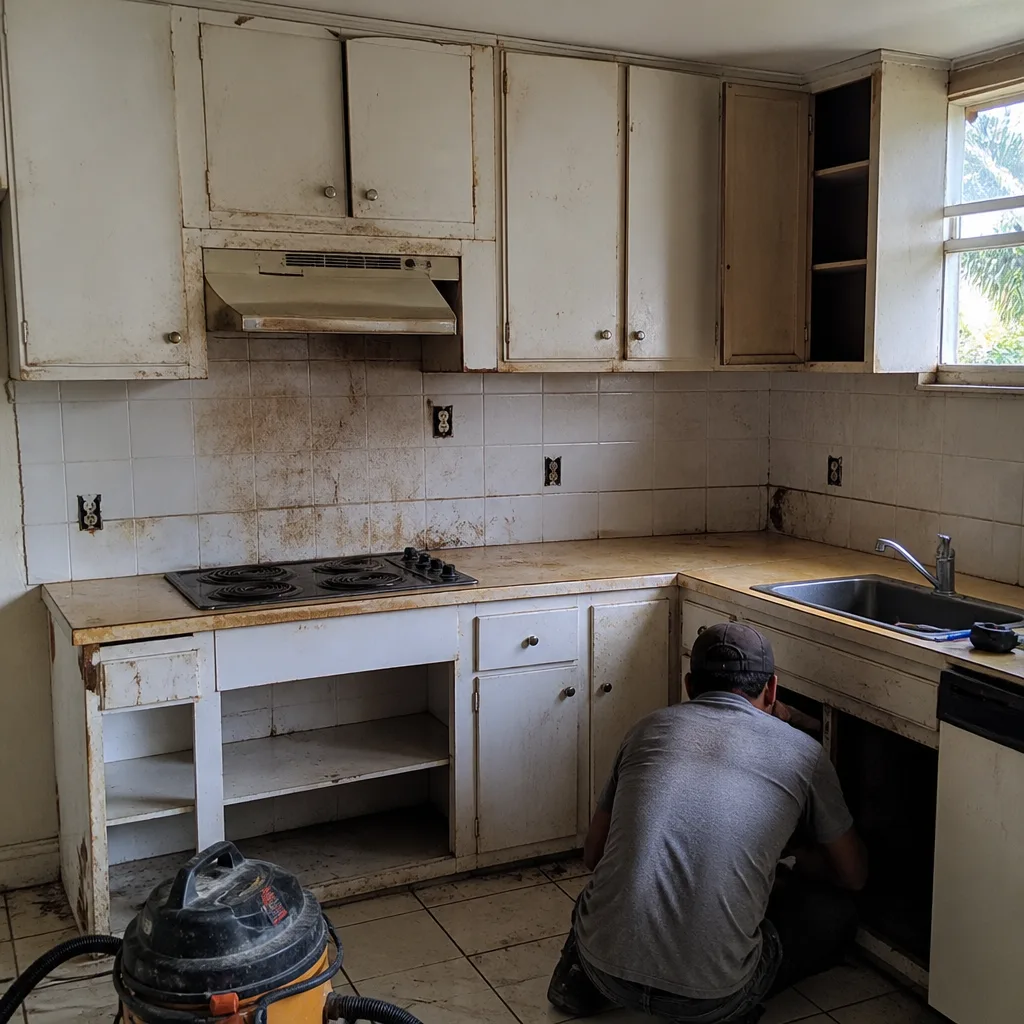 Before
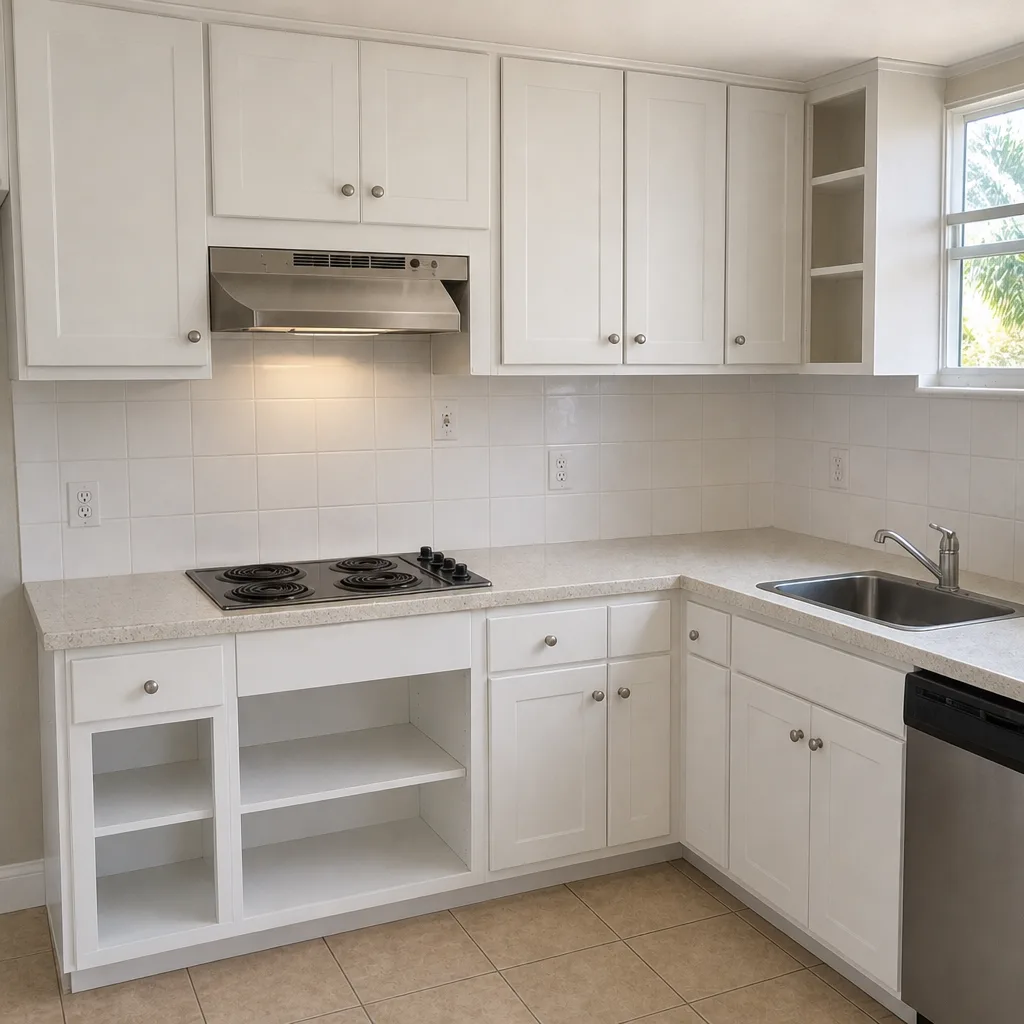 After
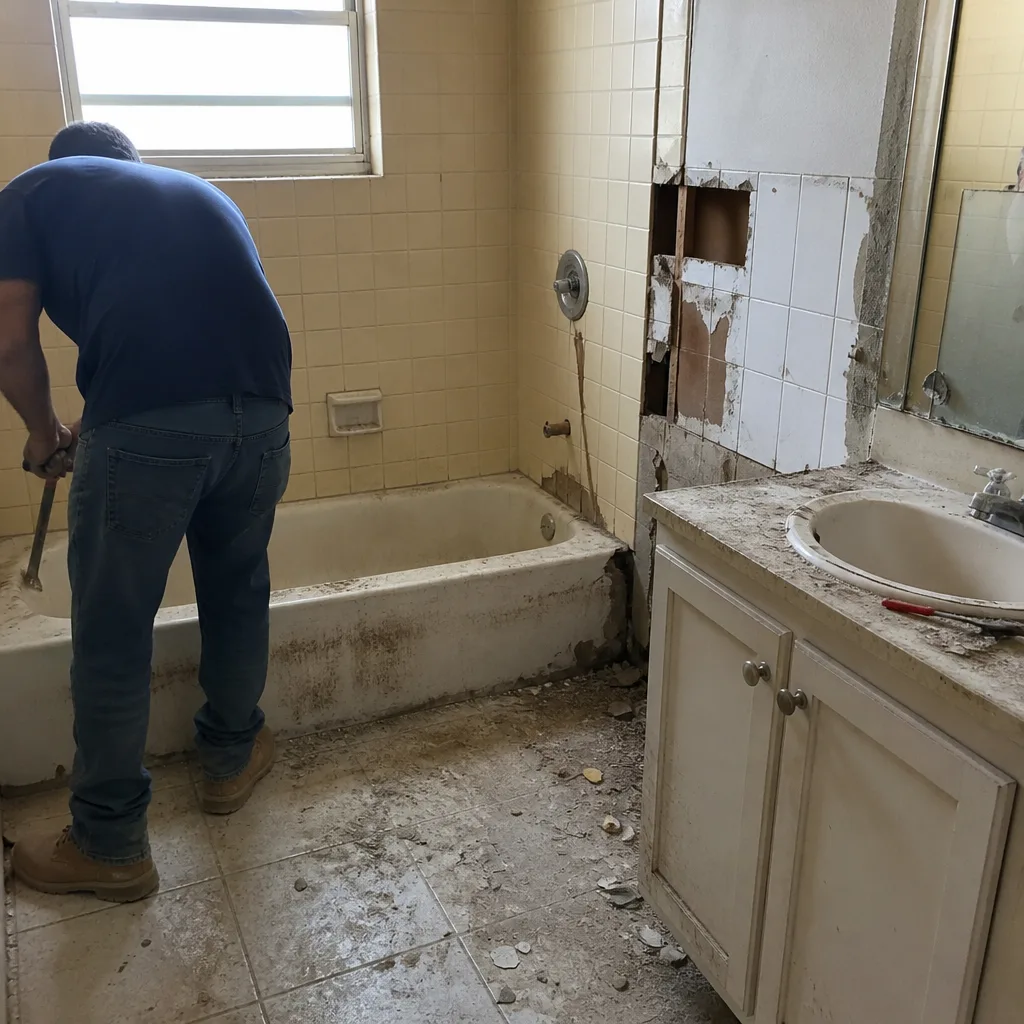 Before
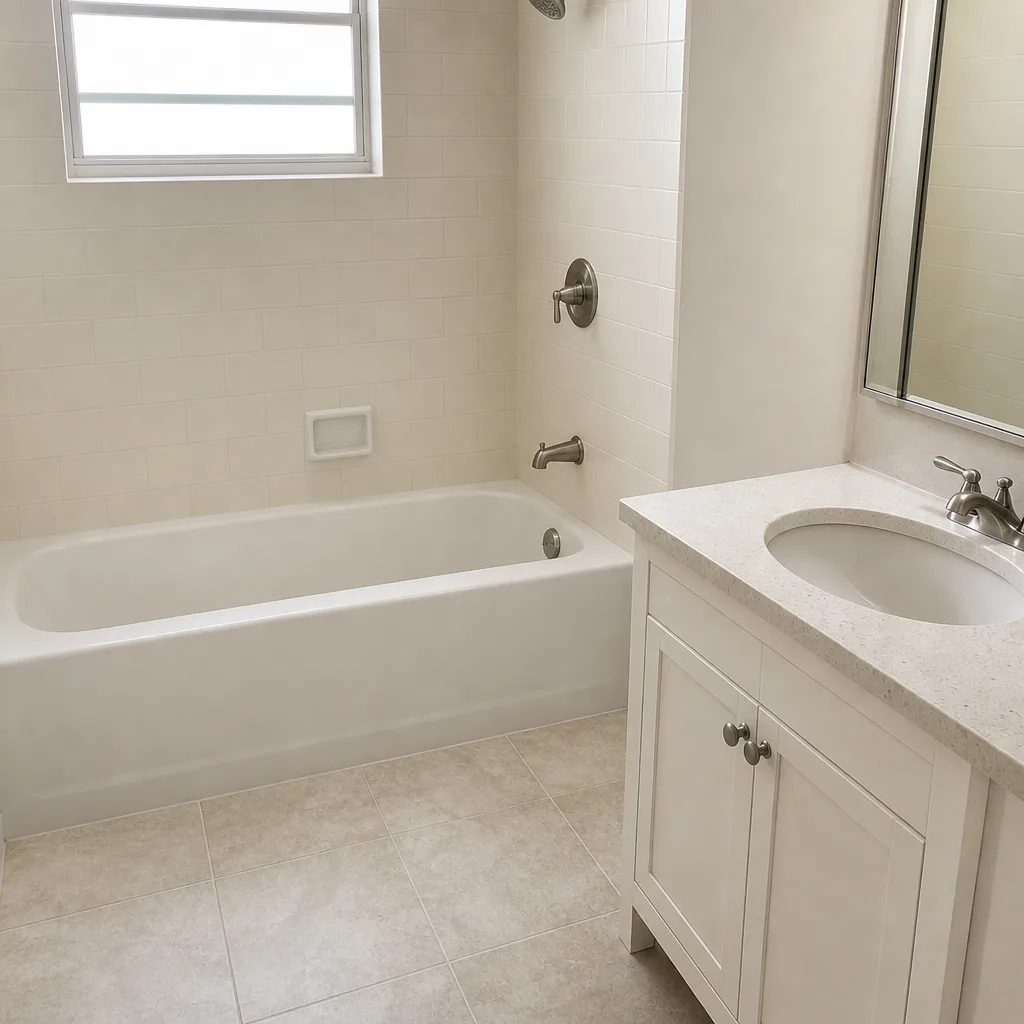 After
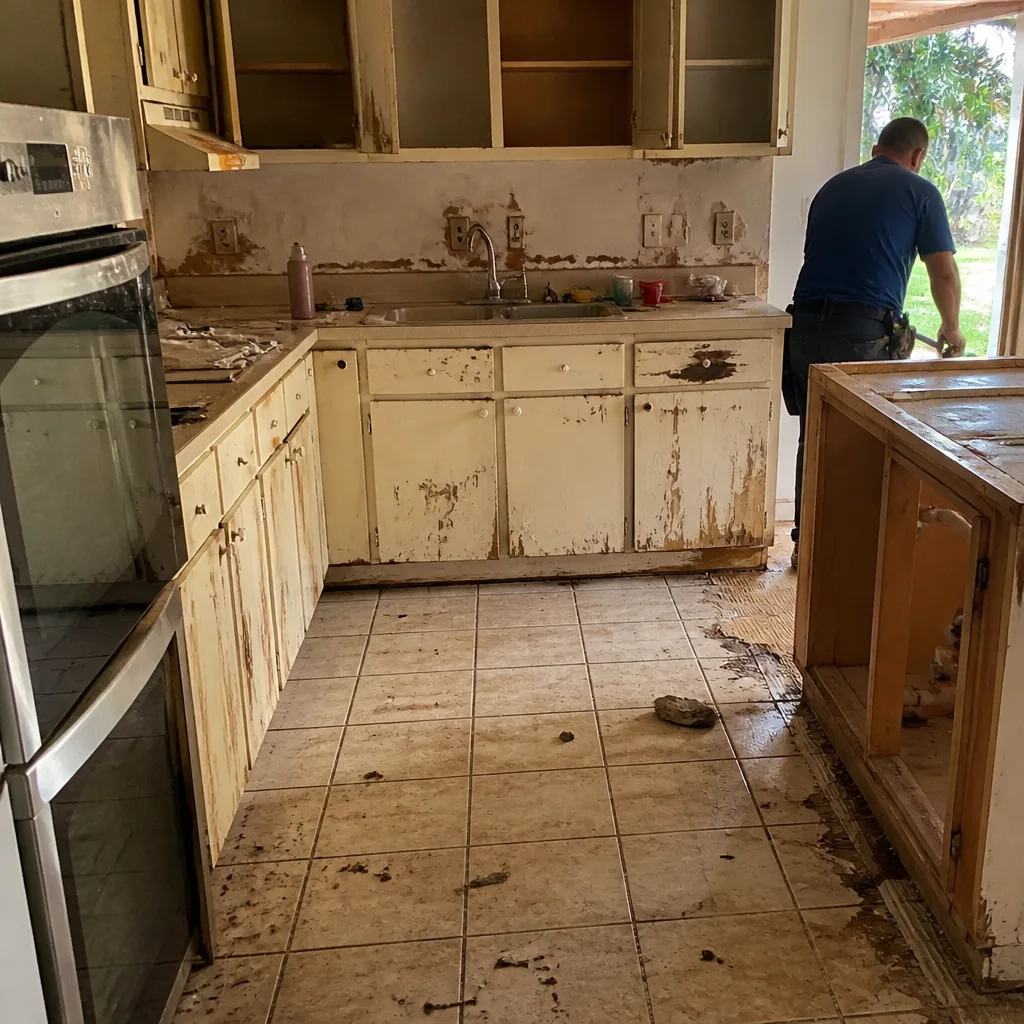 Before
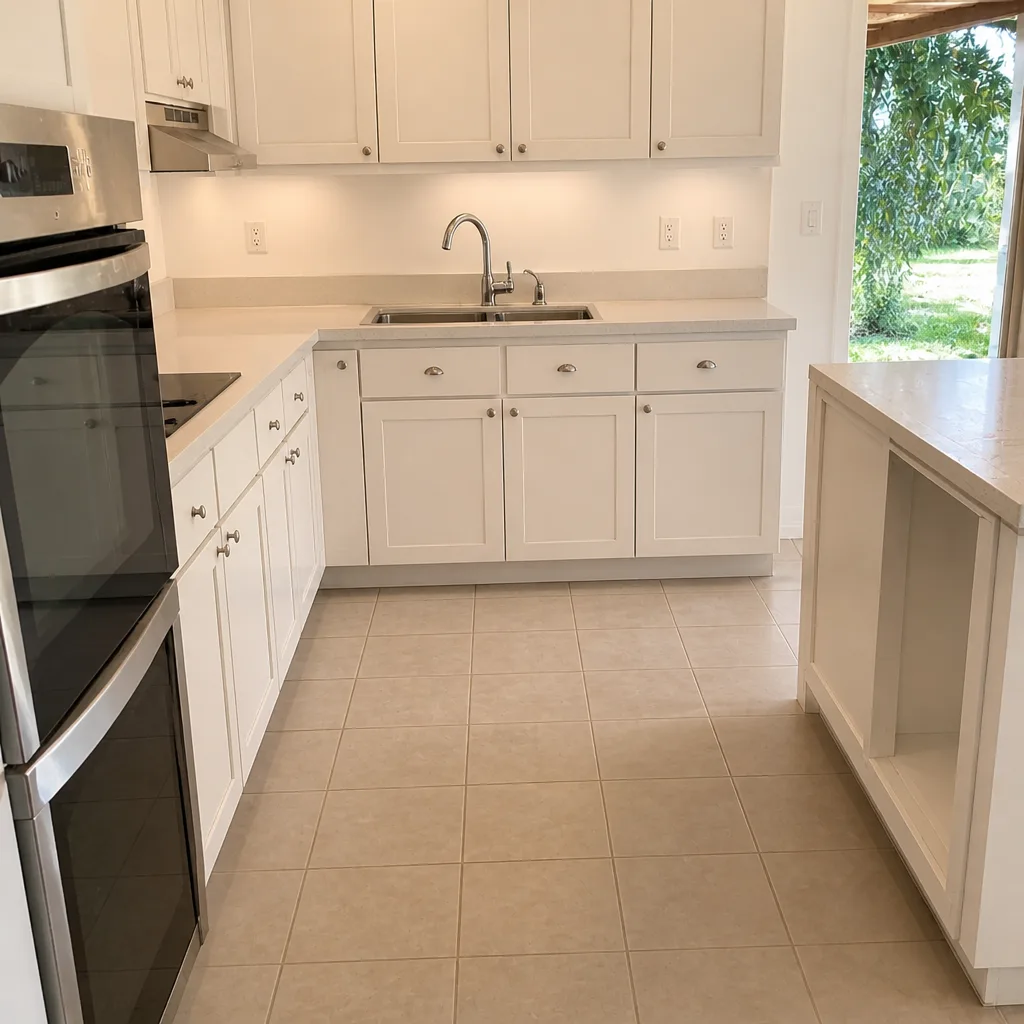 After
When to Call a Professional
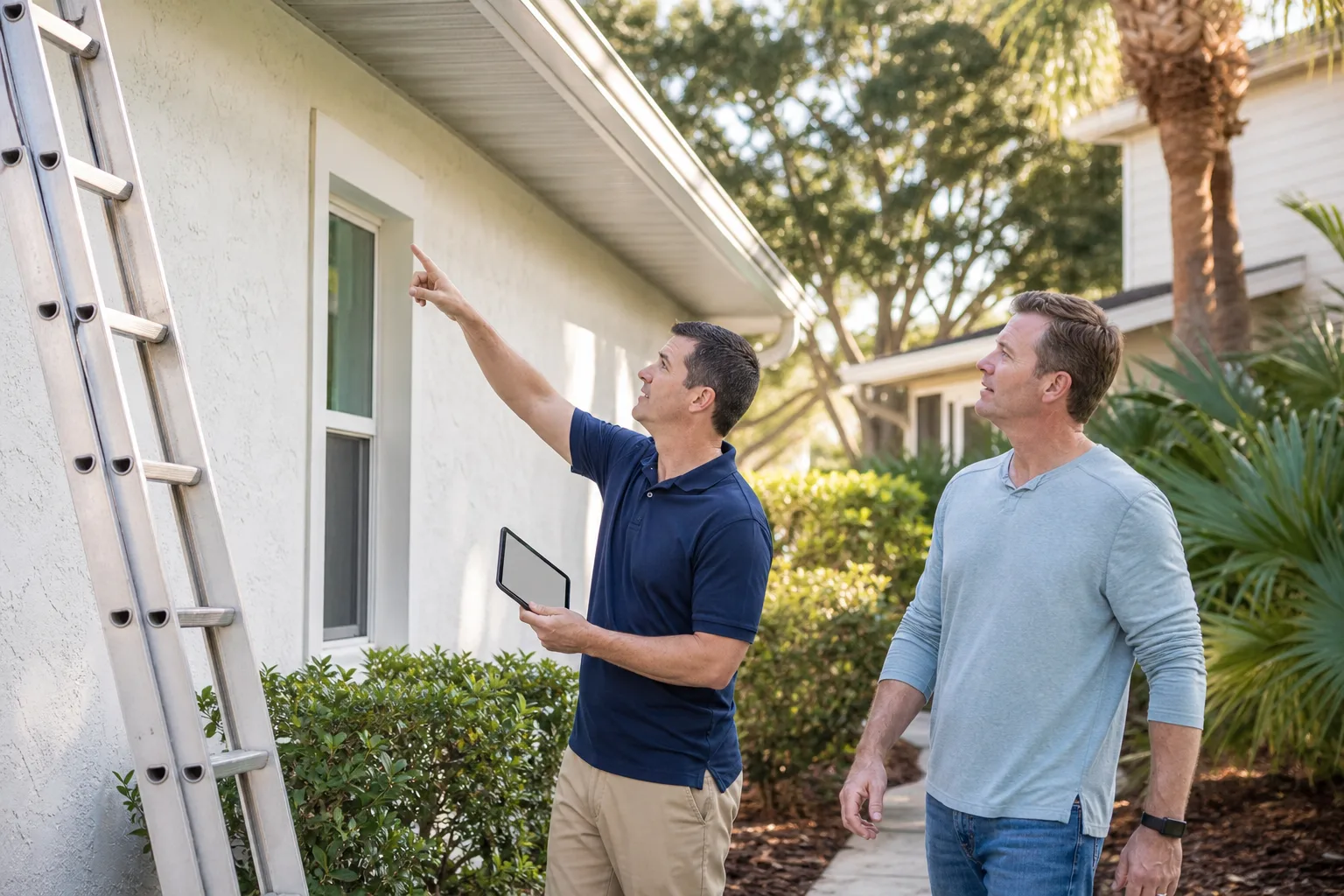
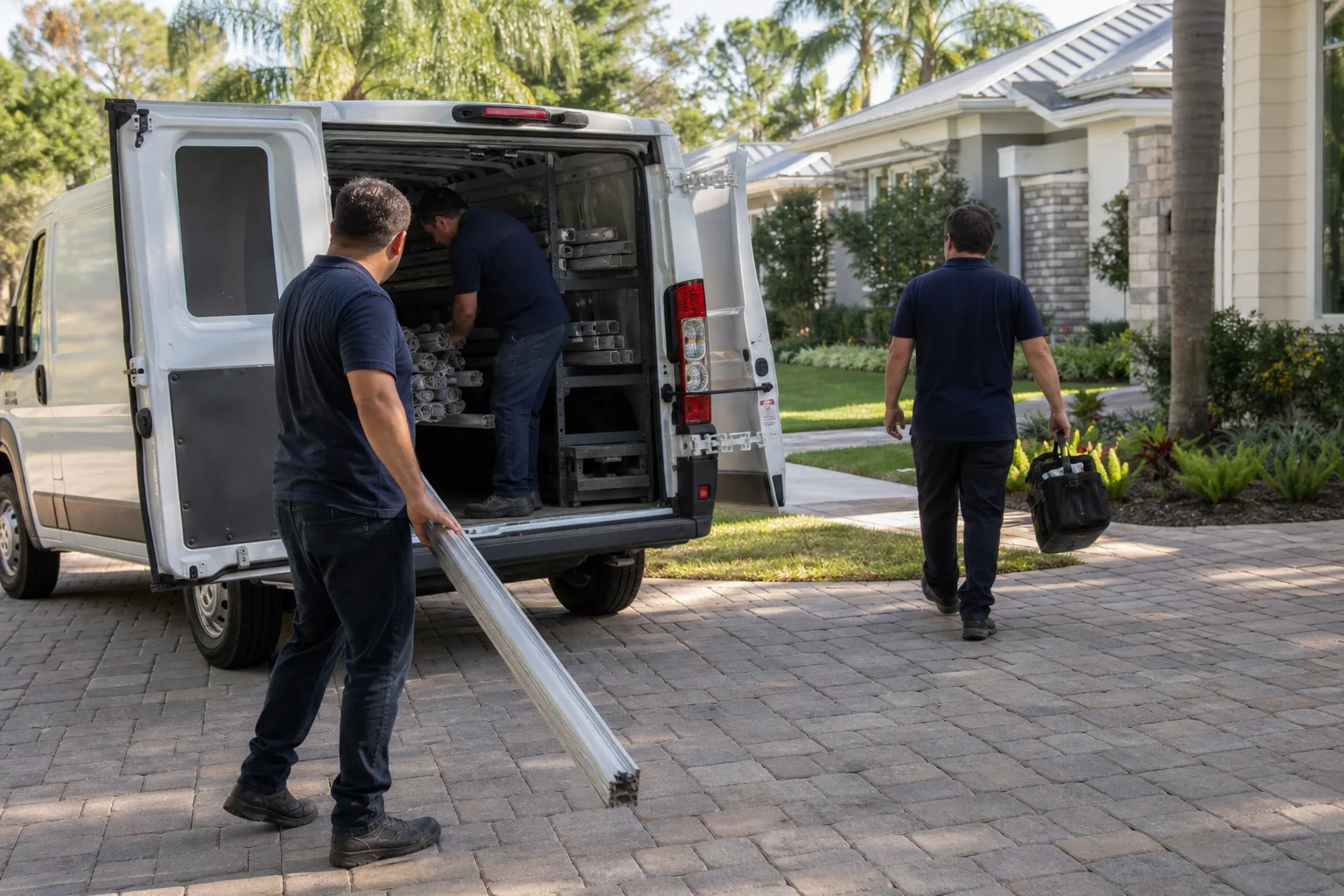
Call a professional for any project where the answer to “will this need a permit, a license, or an inspection” is yes. Roofing, electrical, plumbing, HVAC, structural work, additions, and anything that changes the building envelope all fall into that bucket. Also call when the project timeline is short, when the code requirements are unclear, or when your insurance policy language doesn’t obviously cover the work. Our technicians have up to 14 years of experience on precisely these jobs, and the initial walk-through usually answers the DIY-versus-pro question in fifteen minutes. Kendall Construction Co offers free estimates in Kendall. Call (888) 300-8968. We answer 24/7. Fast dispatch from 7am to 7pm, Sunday through Friday. Closed Saturday.
Frequently Asked Questions
Legally, a homeowner can generally do limited electrical work on their own primary residence under an owner-builder permit, but the moment the work involves a panel, service, new circuit, or anything beyond a like-for-like fixture swap, it requires a licensed electrician and an inspection. Florida’s electrical code is specific about what can and can’t be touched. A permit and a licensed electrician are the only clean path for anything beyond a simple fixture. Call (888) 300-8968 for a free estimate on any electrical-scope project.
It can. Florida homeowner’s policies typically include language that allows the insurer to reduce, deny, or exclude coverage on damage caused by or stemming from unpermitted work. Every policy is different, but the safe assumption is that unpermitted work weakens your claim position. A permit is the first thing an adjuster will ask for after a claim, and no permit is a difficult answer. Call (888) 300-8968 to talk through a specific project.
It depends entirely on the trade and how far the mistake got. An electrical error caught at inspection might be a few hundred dollars. A roof installed without proper underlayment is a full replacement. A wall removed without structural engineering can run into the tens of thousands once engineering and rebuild are priced in. The cheapest fix is always free: the professional walk-through before you start. Call (888) 300-8968 for that estimate.
Yes. Roof replacement requires a permit and an inspection in Miami-Dade, no exceptions. The permit is not optional, the inspection is not optional, and a licensed roofing contractor is required by state statute. Roofing is one of the four trades where the DIY lane closes entirely. Getting it wrong affects insurability and resale. Call (888) 300-8968 to schedule a free roof assessment and permit scope review.
Yes, in principle, as an owner-builder. The practical version is harder: you become the permit holder, you hire and schedule every trade, and you accept liability for anything that goes wrong. If you intend to bring in a single licensed subcontractor to run the job, you’ve stopped being an owner-builder in the legal sense and you’ve become a general contractor. Most homeowners find the risk outweighs the savings on anything beyond a cosmetic refresh. Call (888) 300-8968 to review the scope of a project and hear what the professional path looks like.
Only if it was unpermitted, badly documented, or badly done. A painting, landscaping, or paver-edging project done well is a net positive. A bathroom or kitchen rebuilt without permits is a negotiation line at resale: the buyer’s inspector in Miami-Dade is trained to find mismatches and flag them. If the work is documented and permitted, DIY history doesn’t hurt. If it isn’t, the buyer’s credit request is essentially the cost of the permit and the fix combined. Call (888) 300-8968 for a free pre-sale assessment of any work you’re unsure about.
The Bottom Line
In most of the country, DIY versus professional is a conversation about skill and time. In Kendall, it’s also a conversation about legal exposure, insurance, and resale. Painting, landscaping, hardware, and decorative edging are solid DIY territory. Roofing, electrical, plumbing, HVAC, structural work, and anything affecting the building envelope belong with a licensed professional, no exceptions. For everything in between, price both options honestly using the six-step method above, then let the numbers decide. When the professional path wins, having one contractor across the full envelope from curb to ridge saves more than the line-item difference. It saves the coordination, the permit gaps, and the liability hand-offs. That’s the guardrail on every project we quote.
Ready to compare the two paths with real numbers? Kendall Construction Co offers free estimates in Kendall. Call (888) 300-8968. We answer 24/7. Fast dispatch from 7am to 7pm, Sunday through Friday. Closed Saturday. One contractor, every trade, from curb to ridge.
Written by the team at Kendall Construction Co.